Fuse Boxes vs. Circuit Breakers: Why Many Homes Are Making the Switch
Fuse boxes and circuit breakers both protect your home's electrical system, but circuit breakers are safer, more convenient, and meet modern electrical demands. Most homeowners today are making the switch, and for good reason.
Most people never think about their electrical panel until something goes wrong. A tripped breaker, a blown fuse, a flickering light. Suddenly, you're standing in the dark wondering what your home's electrical system is actually capable of handling.
If your home still runs on a fuse box, you're not alone. Millions of older homes across Massachusetts still rely on them. But as electrical demands grow and safety standards evolve, many homeowners are asking the same question: should I upgrade to a circuit breaker panel?
This guide breaks down exactly what each system does, how they differ, and why so many homeowners are choosing to make the switch.
What Is a Fuse Box and How Does It Work?
A fuse box is an older type of electrical panel that uses fuses to protect your home's circuits. Each fuse contains a thin metal wire that melts when too much current passes through it.
That melted wire breaks the circuit and stops the flow of electricity, protecting your wiring from overheating.
Key characteristics of fuse boxes:
- Common in homes built before the 1960s
- Each fuse is a one-time-use component
- Must be physically replaced after blowing
- Typically limited to 60 to 100 amps of total capacity
Fuse boxes did their job well for decades. The problem is that modern homes demand far more power than they were ever designed to handle.
What Is a Circuit Breaker Panel?
A circuit breaker panel serves the same basic purpose as a fuse box. It protects your home's wiring by interrupting electrical flow when a circuit is overloaded.
The key difference is in how it responds and resets.
Instead of burning out a fuse, a circuit breaker trips a switch. Once the issue is resolved, you simply flip the breaker back on. No replacement needed.
Key characteristics of circuit breakers:
- Standard in homes built after the 1960s
- Reusable, simply reset after tripping
- Available in capacities of 100, 150, and 200 amps or more
- Easier to identify and isolate a problem circuit
- Compatible with modern AFCI and GFCI protection technology
Circuit breakers are the standard for a reason. They offer reliability, convenience, and a much higher ceiling for electrical capacity.
Fuse Box vs. Circuit Breaker: A Direct Comparison
Safety
Both systems protect against overloads, but circuit breakers do it more consistently.
With fuse boxes, homeowners sometimes install the wrong fuse size. A 30-amp fuse in a 15-amp circuit, for example, allows dangerous levels of current to pass through without interruption. That's a fire risk.
Circuit breakers are harder to misuse. They are rated to the circuit they protect and trip automatically at the right threshold.
Safety advantages of circuit breakers:
- Consistent, automatic protection at rated amperage
- Compatible with arc-fault protection (AFCI breakers)
- Ground-fault interruption (GFCI) available at the panel level
- Less risk of user error during reset
Capacity and Modern Demands
The average American home in the 1950s used about 3,000 watts of electricity. Today, that number is often 10 times higher, with EV chargers, home offices, smart appliances, and central air systems all drawing power simultaneously.
Fuse boxes simply were not designed for this.
Modern homes typically need:
- At least 200-amp service for full household demand
- Dedicated circuits for HVAC, EV chargers, and kitchen appliances
- Room for future additions and upgrades
A fuse box maxes out at 60 to 100 amps in most cases. That ceiling creates real problems for growing households.
Convenience
Blown a fuse at 11 PM? You need a replacement on hand, the right amperage, and a flashlight.
Tripped a breaker? You walk to the panel and flip a switch.
The convenience gap is real, and for most homeowners, it matters.
Why Are So Many Homeowners Making the Switch?
Insurance and Code Requirements
Many home insurance providers charge higher premiums for homes with fuse boxes. Some refuse to insure them at all, particularly older panels with known issues like Federal Pacific or Zinsco equipment.
In Massachusetts, certain renovations and additions also require electrical upgrades to meet current code. A commercial or residential electrician can assess what applies to your specific situation.
Selling Your Home
Buyers and their inspectors notice outdated electrical panels. A fuse box can flag your home as a liability during a sale, leading to renegotiated prices or required repairs before closing.
Upgrading before listing eliminates that friction.
Growing Electrical Needs
Adding an EV charger? Installing central AC? Finishing a basement? Each of these projects adds load to your electrical system.
A fuse box often cannot accommodate the additional circuits safely. A panel upgrade done by a qualified electrician in Massachusetts trusts is typically the first step in any major home improvement project.
Signs It's Time to Replace Your Fuse Box
Not sure if your panel needs attention? Here are the most common warning signs:
- Fuses blow frequently or repeatedly on the same circuit
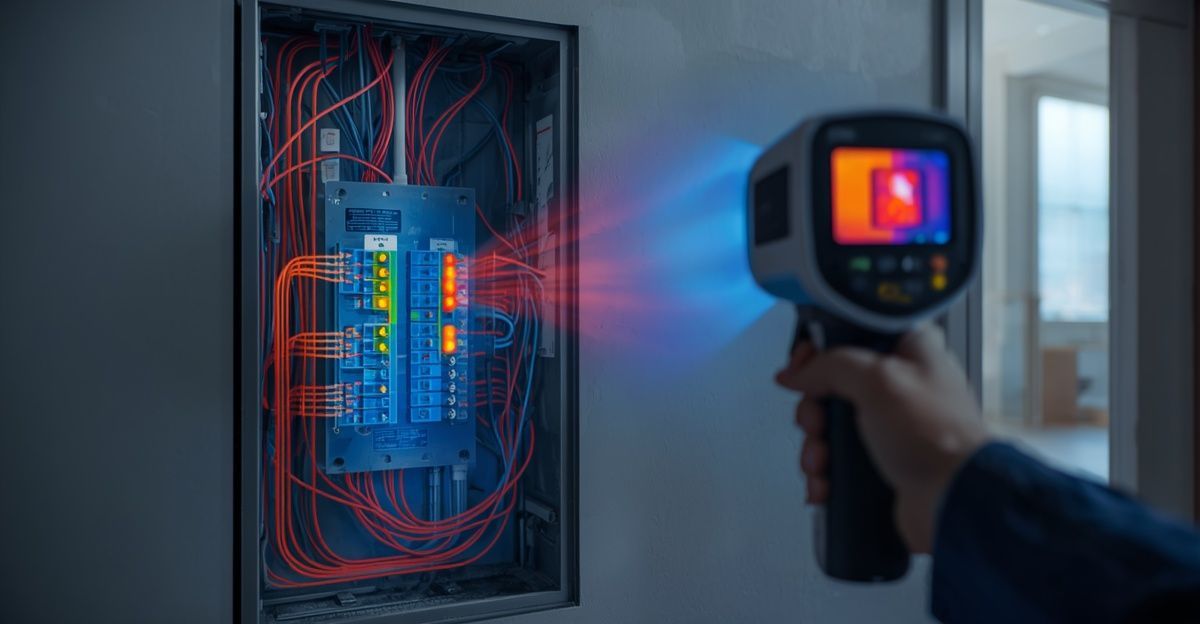
- You notice burning smells near the panel
- Lights flicker or dim when appliances turn on
- Your panel is original to a home built before 1970
- You cannot add new circuits without overloading existing ones
- Your insurance company has flagged the panel
If any of these sound familiar, it's time to talk to a professional.
What the Upgrade Process Looks Like
Upgrading from a fuse box to a circuit breaker panel is a straightforward job for a licensed electrician, though it does require a permit and inspection in Massachusetts.
A qualified electrician near Fitchburg, MA will typically:
- Assess your current system and load requirements
- Pull the necessary permits
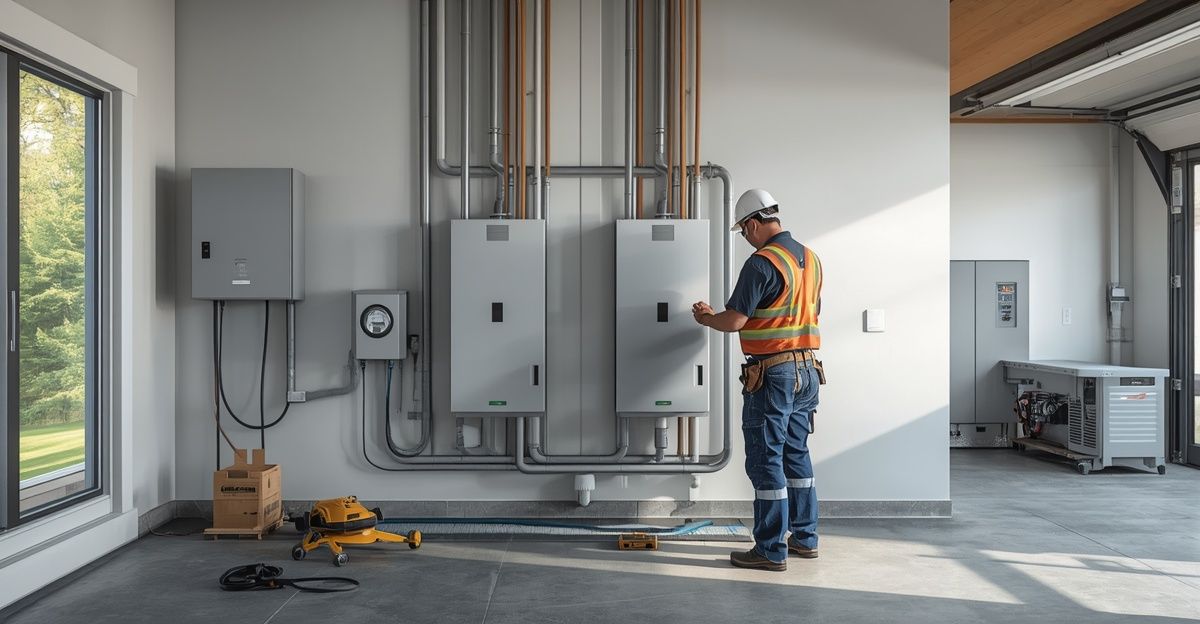
- Install the new panel and transfer circuits
- Coordinate the utility shutoff and reconnection
- Schedule the required inspection
The process usually takes one full day for a standard residential upgrade. Homes with more complex wiring or larger square footage may take longer.
How JP Electric and Son, Inc. Handles Panel Upgrades
JP Electric and Son, Inc. has been delivering trusted home electrician services and commercial electrician services across Eastern New England for over 13 years. The team has completed nearly 4,000 service changes and rewired over 126,000 square feet of residential space.
Every panel upgrade starts with a thorough inspection and a written quote. No surprises, no pressure.
Whether you need an affordable electrician in Fitchburg, MA, residents rely on, or a full-scale commercial upgrade, JP Electric and Son builds a plan around your schedule, budget, and goals. Their approach emphasizes proper planning from the start, which saves time, reduces costs, and ensures the work meets Massachusetts electrical code.
Past clients say it best: "They did what they said they'd do in the time that they said they would do it. Price was fair." That kind of consistency is exactly what electrical work demands.
Make the Smart Switch & Contact JP Electric and Son, Inc.
An outdated fuse box is not just inconvenient. It can limit your home's value, raise your insurance costs, and create real safety risks for your family.
Upgrading to a circuit breaker panel is one of the most practical investments a homeowner can make. And with the right team behind it, the process is smooth, code-compliant, and built to last.
JP Electric and Son offers residential and
commercial electrician services in MA and the surrounding region. If you want to know exactly what your home needs,
reach out today and request a free estimate. A live person always answers the call.