Safe Appliance Wiring for Ovens, Ranges, Refrigerators, and Other Major Appliances
Major appliances like ovens, ranges, and refrigerators require dedicated circuits, correct wire gauges, and proper grounding to operate safely.
Improper wiring is one of the leading causes of residential electrical fires. Hiring a licensed electrical repair service company ensures your appliances are wired correctly, safely, and up to code.
Plugging in a refrigerator or sliding an oven into place feels simple enough. But behind that wall? The wiring doing the heavy lifting is anything but simple. Major appliances draw significant power, and the electrical infrastructure supporting them needs to be precise, code-compliant, and professionally installed.
At JP Electric and Son, Inc., we have spent over 13 years handling residential electrician service across Massachusetts, Vermont, and New Hampshire. We have wired hundreds of kitchens, completed thousands of service changes, and seen firsthand what happens when appliance wiring goes wrong. This guide breaks down what safe wiring actually looks like for your major appliances.
Why Appliance Wiring Is Not a DIY Project
Most homeowners assume that if an appliance turns on, the wiring must be fine. That assumption can be dangerous.
Large appliances pull high electrical loads continuously. Undersized wiring overheats. Loose connections arc. Missing grounding creates shock hazards. These are not hypothetical risks; they are common causes of house fires and electrical injuries.
Safe wiring starts before the appliance even arrives.
- Each major appliance typically requires its own dedicated circuit
- Wire gauge must match the appliance's amperage draw
- Proper grounding protects both the appliance and the people using it
- Outlets and connections must meet current NEC (National Electrical Code) standards
Wiring Requirements for Common Major Appliances
Electric Ovens and Ranges
Electric ranges are among the highest-drawing appliances in any home. Getting their wiring wrong carries serious consequences.
A standard electric range requires a 240-volt dedicated circuit, typically rated at 40 to 50 amps. The circuit must use the correct gauge wire and terminate at an approved range outlet or hardwired connection.
Key wiring requirements:
- 240V dedicated circuit with a double-pole breaker
- Minimum 8-gauge wire for 40-amp circuits; 6-gauge for 50-amp
- Proper 4-wire connection (two hot legs, one neutral, one ground)
- Anti-tip bracket installation alongside electrical hookup
JP Electric and Son has completed 467 stove outlet swaps, including conversions from gas to electric setups. That level of hands-on experience matters when precision is non-negotiable.
Refrigerators
Refrigerators seem low-maintenance, but their wiring requirements are specific.
Most refrigerators operate on a standard 120-volt circuit, but that circuit should be dedicated. Sharing a refrigerator circuit with other outlets leads to nuisance tripping and, worse, food spoilage during an unnoticed outage.
What a proper refrigerator circuit looks like:
- Dedicated 15 to 20-amp, 120-volt circuit
- GFCI protection if the outlet is within six feet of a sink
- Grounded three-prong outlet in good condition
- No extension cords or multi-outlet adapters
Dishwashers
Dishwashers combine water and electricity, which makes their wiring especially safety-critical.
Most dishwashers require a dedicated 120-volt, 20-amp circuit. Depending on local code, the connection may be hardwired or connected through a dedicated outlet inside the cabinet.
Wiring checklist for dishwashers:
- Dedicated 20-amp circuit with its own breaker
- GFCI protection required under current NEC guidelines
- Proper strain relief on wiring connections
- No shared circuits with garbage disposals or other outlets
Washer and Dryer Connections
Laundry appliances present a split challenge: electric dryers need 240V connections, while washers operate on 120V but require GFCI-protected dedicated circuits.
Electric dryer wiring requirements:
- 240-volt dedicated circuit at 30 amps
- 10-gauge wire minimum
- 4-prong outlet for all dryers manufactured after 2000
- Dryer cord properly matched to the outlet configuration
Gas dryers still need a 120-volt grounded outlet for their controls and ignition, making electrical inspection part of any gas dryer installation as well.
What Can Go Wrong Without Proper Electrical Appliance Wiring Services
Wiring shortcuts show up in older homes constantly. Previous owners, unlicensed handymen, or outdated electrical systems leave behind hazards that seem invisible until something fails.
Common problems our team finds during inspections:
- Shared circuits causing repeated breaker trips
- Undersized wire causing overheating and insulation damage
- Missing or improper grounding creating shock risk
- Outdated 3-prong dryer outlets that do not meet current code
- Range connections installed without strain relief or proper termination
These are not just code violations. They are genuine safety risks for you and your family. Addressing them early through best home electrical repair practices is always less costly than dealing with the aftermath.
How JP Electric and Son Approaches Every Appliance Wiring Job
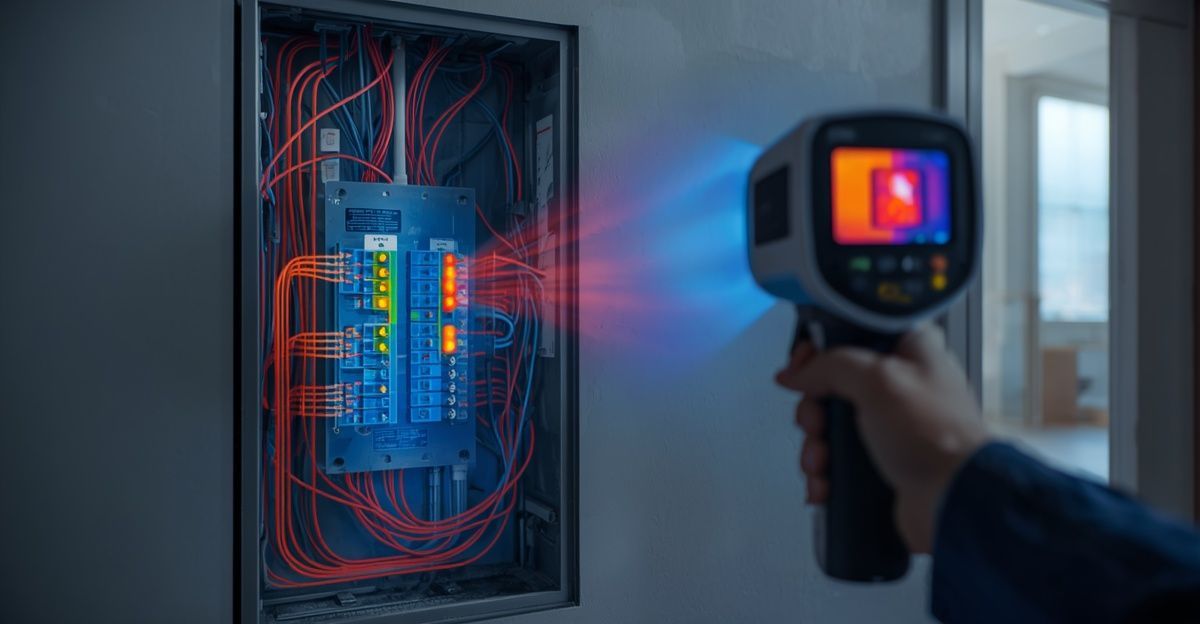
We start every job with a thorough inspection. Not just at the outlet or connection point, but back to the panel. We trace circuits, check breaker ratings, confirm wire gauges, and identify anything that does not meet current standards.
From there, we sit down with you. We explain what we found, what needs to happen, and why. No pressure. No confusing jargon. Just clear, honest information so you can make the right decision for your home and your budget.
Then we get to work. Fast, clean, and done right the first time.
Our process covers:
- Full circuit inspection before any appliance connection
- Dedicated circuit installation where required
- Code-compliant outlet upgrades and replacements
- Panel assessment to confirm capacity for new loads
- Written documentation of all work completed
As a trusted electrical repair service company serving Fitchburg, MA and the surrounding Eastern New England region, JP Electric and Son brings licensed expertise and a real commitment to getting the job done properly.
Stop Guessing. Get It Done Right.
Don't leave appliance wiring to chance or put it off until something goes wrong. The right residential & commercial electrician service in MA makes the difference between a home that is truly safe and one that carries hidden risk every single day.
JP Electric and Son, Inc. is ready to inspect your appliances, upgrade your wiring, and give you confidence that your home's electrical system can handle the demands you place on it. With over 13 years of experience, thousands of successful installations, and a team that genuinely cares about the people they serve, we are the team to call.
Contact JP Electric and Son today to request your free quote from an experienced
electrician in Massachusetts. Let's make sure your home is wired to keep your family safe.