Commercial Electrician Services: 6 Reasons Massachusetts Businesses Need Regular Electrical Maintenance

Praveen Soni • January 6, 2025

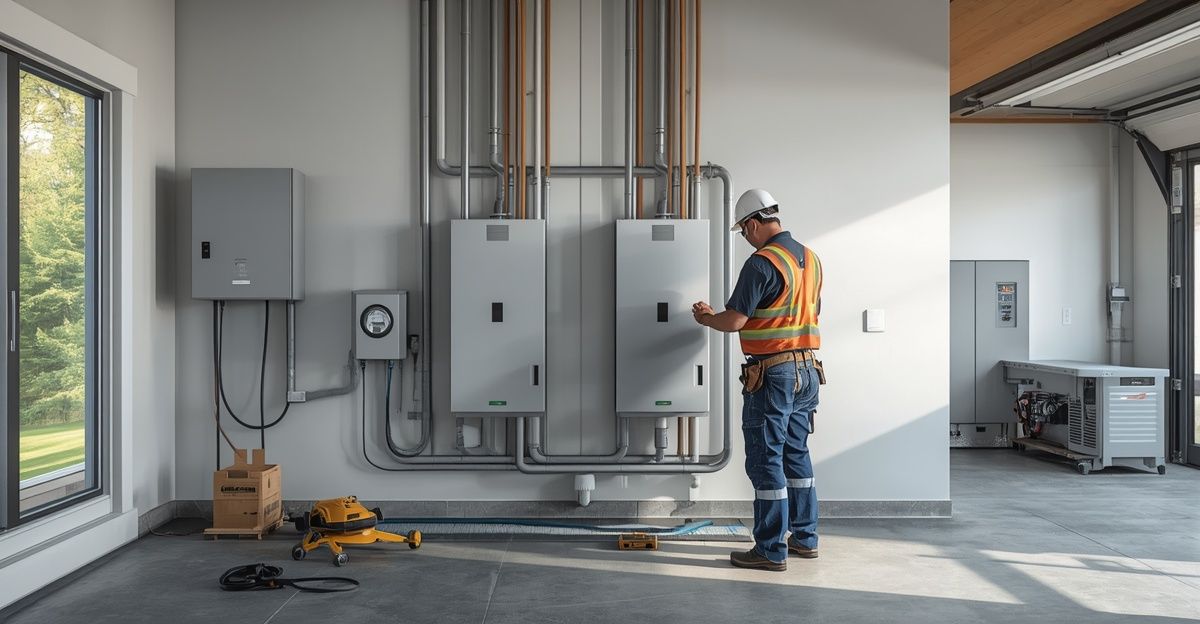
Running a business means keeping operations smooth, employees safe, and avoiding unexpected disruptions. One of the most overlooked aspects of maintaining a commercial property is electrical maintenance. Whether you own an office building, retail store, warehouse, or industrial facility, investing in professional commercial electrician services can help prevent costly issues before they happen.
 
Businesses across Massachusetts rely on experienced electrical professionals to ensure their systems remain safe, efficient, and compliant with local regulations. Working with a trusted commercial electrician who businesses depend on can make a significant difference in your property's long-term performance.

1. Improves Workplace Safety

Electrical issues are one of the leading causes of commercial property damage and workplace hazards. Faulty wiring, overloaded circuits, and outdated electrical panels can increase the risk of electrical fires and injuries.


Routine inspections and maintenance performed by qualified commercial electrician service providers help identify potential problems early. Addressing these issues proactively creates a safer environment for employees, customers, and visitors.

2. Prevents Costly Downtime

Unexpected electrical failures can bring business operations to a standstill. A power outage affecting point-of-sale systems, computers, lighting, or essential equipment can lead to lost productivity and revenue.

A professional commercial electrician team can perform preventive maintenance to identify worn components, test electrical systems, and ensure everything operates as intended. Preventing downtime is often far less expensive than dealing with emergency repairs and business interruption.

3. Extends the Life of Electrical Equipment

Commercial electrical systems are a major investment. Electrical panels, lighting systems, generators, and specialized equipment all require regular maintenance to maximize their lifespan.

Routine maintenance helps reduce wear and tear while ensuring systems operate efficiently. Businesses that schedule regular service often experience fewer repairs and can delay costly equipment replacement.

4. Increases Energy Efficiency

Energy costs continue to rise, making efficiency a priority for many Massachusetts businesses. An experienced commercial electrician can identify opportunities to improve energy usage throughout your facility.

Common upgrades include:


  • LED lighting installations
  • Energy-efficient electrical systems
  • Smart lighting controls
  • Electrical panel upgrades
  • Occupancy sensors


By improving efficiency, businesses can lower utility bills while reducing their environmental impact.

5. Helps Maintain Code Compliance

Commercial properties must comply with local, state, and national electrical codes. Failure to meet these requirements can result in fines, failed inspections, and liability concerns.

Partnering with a commercial electrician businesses helps ensure your property remains compliant with applicable regulations. Regular inspections can identify outdated systems and provide recommendations for necessary improvements.


Maintaining compliance not only protects your business but also demonstrates your commitment to safety and professionalism.

6. Saves Money in the Long Run

Many business owners delay maintenance because they view it as an unnecessary expense. However, preventive maintenance is often one of the most cost-effective investments a business can make.

Routine service helps:


  • Reduce emergency repair costs
  • Prevent equipment failures
  • Extend system lifespan
  • Improve operational efficiency
  • Minimize business interruptions

Over time, these benefits can lead to substantial savings and provide greater peace of mind.

Signs Your Business Needs Commercial Electrical Maintenance

If you're unsure whether it's time to schedule service, watch for these warning signs:


  1. Flickering or dim lights
  2. Frequently tripped breakers
  3. Burning smells near outlets or panels
  4. Rising energy bills
  5. Buzzing sounds from electrical equipment
  6. Outdated electrical panels
  7. Intermittent power issues

Ignoring these problems can lead to larger and more expensive repairs down the road.

What Do Commercial Electrician Services Include?

Commercial electrician services typically include:


  • Electrical inspections
  • Preventive maintenance
  • Electrical panel upgrades
  • Lighting installation and repairs
  • Wiring and rewiring
  • Surge protection
  • Generator maintenance
  • Emergency electrical repairs
  • Code compliance assessments

Working with an experienced electrical contractor ensures your business receives reliable and professional service tailored to your needs.

Frequently Asked Questions

How often should commercial electrical systems be inspected?

Most businesses should schedule a professional electrical inspection at least once a year. Facilities with heavy electrical demands may require more frequent maintenance.

What does a commercial electrician do?


A commercial electrician installs, repairs, maintains, and upgrades electrical systems in commercial buildings such as offices, warehouses, retail stores, and industrial facilities.

Why should I hire a commercial electrician in MA?


A local commercial electrician is a professional who understands Massachusetts electrical codes, permitting requirements, and the unique needs of businesses throughout the state.

Can electrical maintenance lower energy costs?


Yes. Routine maintenance and energy-efficient upgrades can help reduce utility expenses while improving overall system performance.

Schedule Professional Commercial Electrical Maintenance

Regular electrical maintenance is essential for protecting your employees, customers, and business operations. From improving safety to reducing downtime and lowering costs, investing in professional commercial electrician services delivers long-term value.

If you're looking for a dependable commercial electrician businesses trust, JP Electric & Son provides expert electrical solutions tailored to commercial properties throughout Massachusetts. Our team is committed to helping businesses maintain safe, efficient, and code-compliant electrical systems year-round.
By 66b4f57f3d24d70008ec672b • September 8, 2026
The body content of your post goes here. To edit this text, click on it and delete this default text and start typing your own or paste your own from a different source.
By 66b4f57f3d24d70008ec672b • September 8, 2026
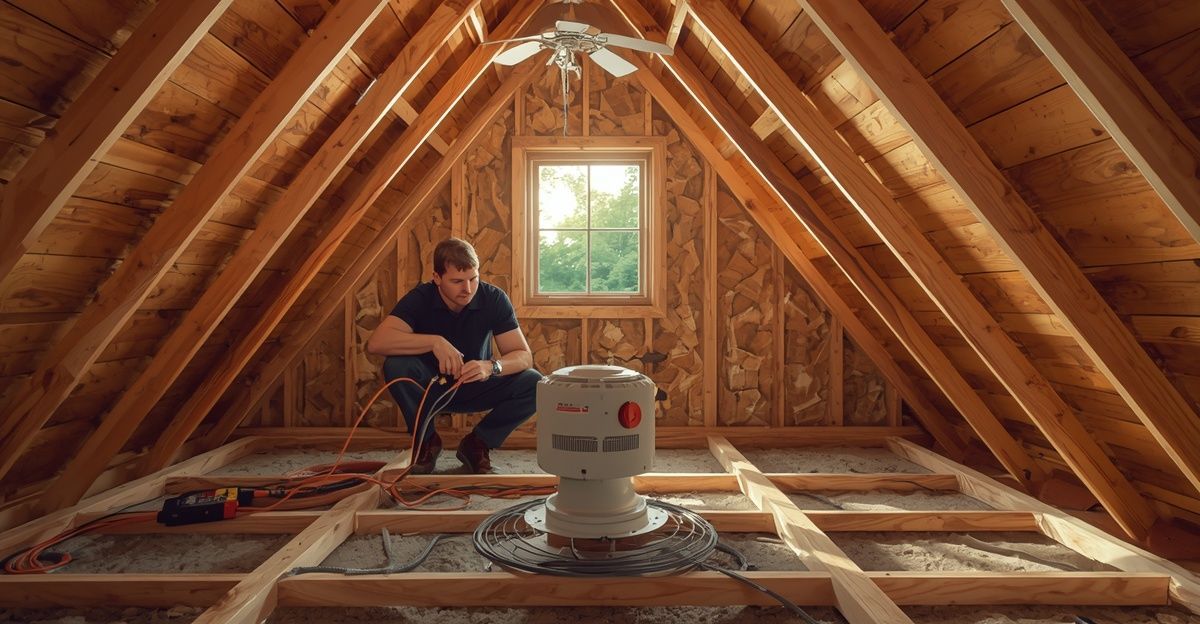
Ceiling fan installation involves key electrical considerations, including proper circuit capacity, secure wiring connections, and a fan-rated junction box. Skipping any step creates real safety risks. For homeowners in Fitchburg, MA, working with a licensed electrician ensures the job is done right the first time. Ceiling fans are one of the most practical home upgrades you can make. They improve airflow, reduce energy costs, and add a polished look to any room. But behind that smooth spin is a set of electrical requirements that, if overlooked, can lead to flickering lights, tripped breakers, or worse. Most homeowners underestimate what ceiling fan installation actually involves. It goes well beyond swapping a light fixture. The electrical system feeding that fan needs to be up to the task, and the setup needs to meet code. Here is what you need to know before starting the project, and why getting it right matters. Does Your Circuit Have Enough Capacity? Understanding Circuit Load Requirements Every ceiling fan draws power from your home's electrical circuit. A standard ceiling fan with a light kit typically uses between 60 and 100 watts. That may sound small, but problems arise when a fan shares a circuit with other high-draw appliances. Before installation, check: The circuit's amperage rating (usually 15A or 20A) What else is already running on that circuit Whether the total load stays within 80% of the circuit's capacity Overloaded circuits cause breakers to trip repeatedly. In older homes, the wiring itself may not handle the added demand safely. When a Dedicated Circuit Is Needed In some cases, particularly for larger fans or rooms with heavy electrical use, a dedicated circuit is the right call. This is especially common in: Master bedrooms with multiple devices Home offices with computers and lighting Rooms where a dimmer switch or smart control is being added A licensed residential electrician service can assess your panel and tell you exactly what your home needs. The Junction Box: A Detail That Cannot Be Skipped Why a Standard Box Is Not Enough This is one of the most common mistakes in ceiling fan installation. A standard electrical box, the kind used for light fixtures, is not designed to support a ceiling fan's weight and movement. Ceiling fans create a constant dynamic load. They vibrate, rotate, and shift slightly during operation. A box that is not fan-rated can loosen over time, causing the fan to wobble or, in serious cases, fall. What a Fan-Rated Box Looks Like A proper fan-rated junction box is: Rated for at least 35 pounds (some support up to 70 pounds) Anchored directly to a ceiling joist or a rated brace bar Stamped or labeled as "acceptable for fan support" If your current box does not meet these standards, it needs to be replaced before the fan goes up. This is a straightforward job for a qualified Fitchburg electrician, and it is not something to skip in the name of saving time. Wiring Considerations That Affect Performance Single-Switch vs. Dual-Switch Wiring Many homeowners want independent control over the fan motor and the light kit. Achieving this requires two separate switches, which means the ceiling box needs two hot wires running to it. If your existing wiring only has one hot wire, your options are: Run new wiring to add a second switch Use a remote control or wireless receiver kit Install a smart fan controller that handles both functions from one switch Each option has trade-offs in cost and complexity. The right choice depends on your wiring setup and how you plan to use the room. Grounding: Non-Negotiable Every ceiling fan installation requires a properly grounded circuit. Grounding protects against electrical shock if a fault occurs inside the motor or wiring. Signs your circuit may not be properly grounded include: Two-prong outlets in the room Older wiring without a ground wire Any tingling sensation when touching the fan housing If grounding is missing or uncertain, that needs to be resolved before any fan goes up. This is exactly the kind of issue that home electrical repair services catch during a proper inspection. Common Mistakes That Lead to Problems Even experienced DIYers run into issues with ceiling fan wiring. The most frequent problems include: Wrong wire gauge: Fans require wiring that matches the circuit's amperage. Using undersized wire creates a fire hazard. Loose wire connections: Connections that are not properly secured lead to arcing, which is a leading cause of electrical fires. Skipping the ground wire: Some older fans were installed without grounding. Modern code requires it. Incorrect switch compatibility: Standard dimmer switches are not designed for ceiling fan motors and can cause humming, overheating, or motor damage. Each of these mistakes is avoidable. They are also the kind of issues that a trained eye catches immediately. Why Professional Installation Makes a Difference What a Licensed Electrician Brings to the Job Handling home electrical repair services is not just about connecting wires. It requires understanding how your entire electrical system works together. A licensed electrician in Fitchburg, MA brings: Knowledge of local code requirements The right tools to test circuits before and after installation Experience identifying problems that are not obvious during a visual check Accountability if something needs to be revisited JP Electric and Son, Inc. has over 13 years of experience serving residential and commercial clients across Eastern New England. The team understands the importance of planning every job from the start, working directly with homeowners to make sure the work is done safely, efficiently, and on time. When to Call Before You Start Reach out to a professional if: Your home has older wiring or a dated electrical panel You are installing a fan in a room that currently has no ceiling fixture You want independent control of the fan and light You are unsure about the condition of your existing junction box Getting a professional assessment before starting saves time, avoids costly mistakes, and gives you peace of mind. Make Your Next Ceiling Fan Installation the Right One Ceiling fan installation looks simple on the surface. The electrical work underneath it is anything but. From circuit capacity to junction box ratings to proper grounding, every detail affects how safely and reliably your fan operates. If you are in the Fitchburg area and want the job done right, JP Electric and Son, Inc. is ready to help. Their team offers trusted commercial electrician services and residential electrician service across Massachusetts, Vermont, and New Hampshire. Reach out to JP Electric and Son, Inc. today and get expert guidance from a team that stands behind every job they complete.
Safe Appliance Wiring for Ovens, Ranges, Refrigerators
August 11, 2026
Discover safe appliance wiring tips for ovens, ranges, refrigerators, and other major appliances. Learn how proper electrical installation helps prevent hazards and damage.
400-Amp Electrical Service
August 11, 2026
Explore when a 400-amp electrical service is needed, its benefits, installation considerations, and how higher-capacity power supports modern properties. Read more.
Professional Electrical Planning Can Save Time & Money
July 7, 2026
Save time and reduce renovation costs with professional electrical planning. Learn how expert design helps avoid delays, costly rework, and future electrical issues.
Fuse Boxes & Circuit Breakers
July 7, 2026
Learn the key differences between fuse boxes and circuit breakers, why homeowners are upgrading, and how a modern electrical panel improves safety and reliability.
Commercial Build-Outs Explained
June 8, 2026
Learn what business owners should know about electrical planning for commercial build-outs, from power needs and code compliance to future-ready system design.
Electrical installation for a backyard pool and hot tub
June 8, 2026
Installing a pool, hot tub, or outdoor features? Learn essential electrical safety, code, and wiring considerations to keep your outdoor space safe and reliable.
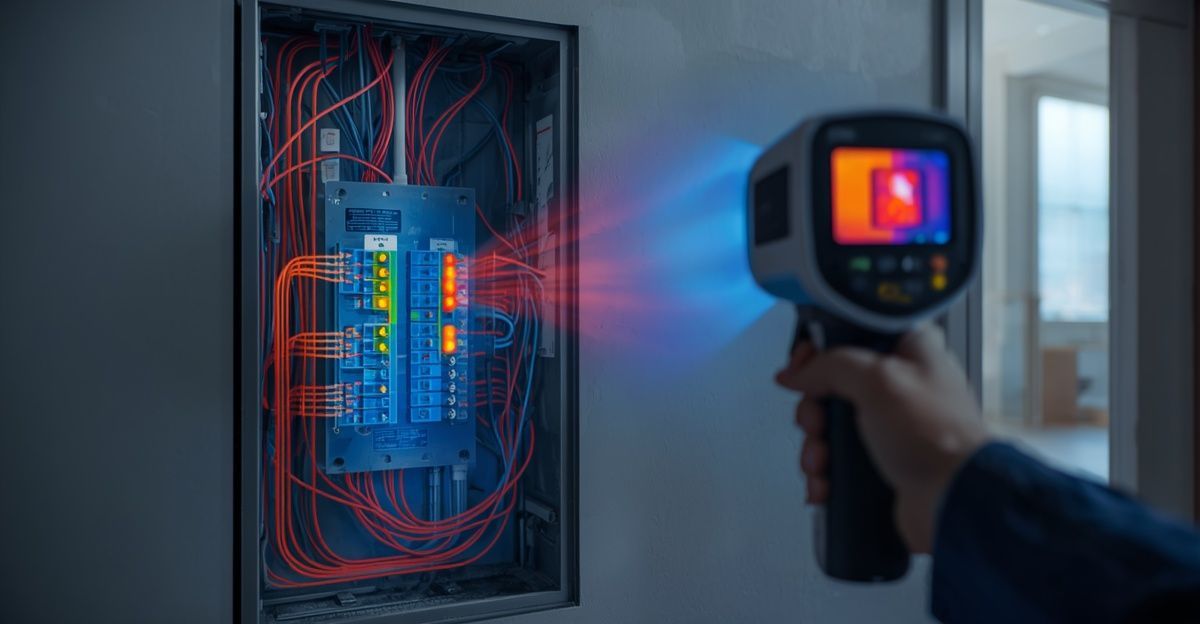
How Infrared Thermography Finds Hidden Electrical Issues
May 5, 2026
Learn how infrared thermography detects hidden electrical issues, prevents fires, reduces repair costs, and improves system safety in homes and buildings. Read more.
Electrical Planning for New Construction Homes
May 4, 2026
Learn what homeowners often overlook in new construction electrical planning, from panel capacity and outlet placement to smart home wiring and safety. Read more.