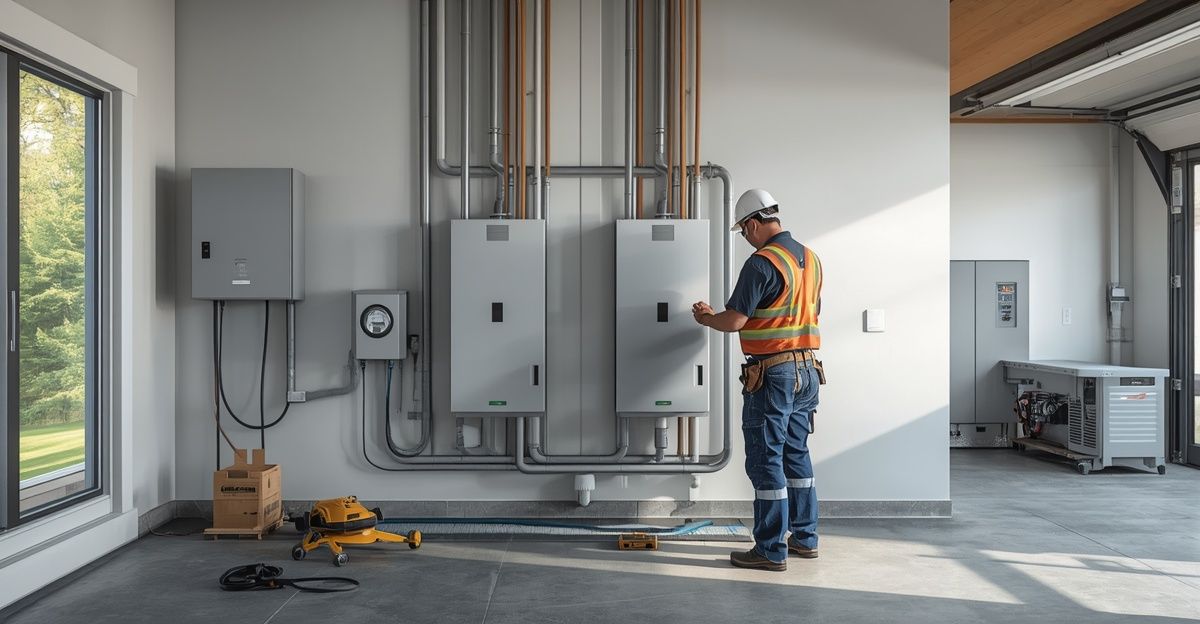
How to Choose the Best Structured Cabling Installer in Massachusetts: 10 Expert Tips
A reliable network infrastructure is essential for every modern business. Whether you're opening a new office, upgrading your IT systems, or expanding operations, choosing the right structured cabling installer can significantly impact your organization's efficiency, connectivity, and long-term costs.
Structured cabling forms the backbone of your communication systems, supporting internet connectivity, VoIP phones, security cameras, access control systems, and data networks. Hiring an experienced contractor ensures your cabling infrastructure is designed to support today's needs while remaining scalable for future growth.
If you're looking for a structured cabling installer in Massachusetts, here are ten expert tips to help you make the right decision.
What Is a Structured Cabling Installer?
A structured cabling installer designs, installs, tests, and maintains the cabling systems that power business networks. These systems include:
- Ethernet cabling
- Fiber optic cabling
- Data and voice cabling
- Telecommunications infrastructure
- Security and surveillance cabling
- Network rack installation
A professionally installed structured cabling system improves reliability, minimizes downtime, and supports seamless communication across your organization.
1. Verify Industry Experience
Not all electricians specialize in structured cabling. Look for a contractor with extensive experience handling commercial network installations.
Ask questions such as:
- How many structured cabling projects have you completed?
- Have you worked with businesses similar to ours?
- Can you provide references or case studies?
An experienced installer understands common challenges and can recommend solutions tailored to your business environment.
2. Check Certifications and Standards
Your installer should follow recognized industry standards, including:
- TIA/EIA Structured Cabling Standards
- BICSI Best Practices
- NEC Electrical Code Requirements
Compliance ensures your network infrastructure is safe, organized, and capable of supporting future technology upgrades.
3. Choose a Local Massachusetts Contractor
Working with a local structured cabling contractor in Massachusetts offers several advantages:
- Faster response times
- Familiarity with local building codes
- Easier project coordination
- Ongoing support and maintenance
A local company can quickly address issues and provide long-term assistance when your business grows or your infrastructure changes.
4. Ask About Fiber Optic Expertise
Many businesses are transitioning to fiber optic networks for faster speeds and improved performance.
A qualified installer should have experience with:
- Fiber optic installation
- Fiber termination and testing
- Network upgrades
- High-speed data infrastructure
Fiber optic cabling provides increased bandwidth, improved reliability, and better support for cloud-based applications and remote work environments.
5. Review Their Testing Process
Professional installers don't simply install cables—they test and certify them.
Ensure your contractor provides:
- Cable certification reports
- Performance testing
- Documentation and labeling
- Network diagrams
Proper testing helps identify issues before they impact your operations and ensures every connection performs as expected.
6. Evaluate Their Project Management Process
Structured cabling projects often involve multiple teams, timelines, and technical requirements.
Ask whether they provide:
- Detailed project timelines
- Dedicated project managers
- Progress updates
- Post-installation support
Effective communication helps keep your project on schedule and minimizes disruptions to your business.
7. Understand the Total Cost
While price shouldn't be the only deciding factor, understanding the complete cost of installation is important.
Factors affecting structured cabling costs include:
- Building size
- Number of cable drops
- Type of cabling (Cat6, Cat6A, Fiber)
- Equipment requirements
- Labor and testing
Request a detailed estimate and avoid contractors who provide vague or unusually low pricing.
8. Look for Scalable Solutions
Your business will continue to evolve, and your network should evolve with it.
A quality installer will design a system that supports:
- Future expansions
- Additional workstations
- New technologies
- Increased bandwidth demands
Investing in scalable infrastructure today can save thousands of dollars in future upgrades.
9. Read Reviews and Testimonials
Online reviews provide valuable insight into a company's professionalism and reliability.
Look for feedback related to:
- Communication
- Timeliness
- Quality of work
- Customer service
- Problem resolution
Consistent positive reviews are often a strong indicator of dependable service.
10. Partner With a Full-Service Electrical Company
Choosing a contractor that offers additional commercial electrical services can provide added convenience.
These services may include:
- Commercial electrical installations
- Infrared thermography inspections
- Lighting upgrades
- Emergency electrical repairs
- Commercial buildouts
Working with a single provider simplifies project coordination and creates a long-term partnership for your facility's electrical needs.
Common Mistakes to Avoid
Businesses frequently make these mistakes when hiring a structured cabling contractor:
- Choosing based solely on price
- Ignoring certifications and experience
- Failing to request references
- Overlooking future scalability
- Not asking about testing procedures
- Hiring companies without commercial expertise
Avoiding these pitfalls can help ensure a successful installation and prevent costly issues down the road.
Benefits of Professional Structured Cabling Installation
Professional structured cabling offers numerous advantages:
- Improved network performance
- Reduced downtime
- Better cable organization
- Easier troubleshooting
- Increased flexibility
- Enhanced business productivity
- Lower long-term maintenance costs
A well-designed system creates a strong foundation for your company's technology infrastructure.
Frequently Asked Questions
How much does structured cabling installation cost?
Costs vary depending on the size of the project, building layout, and type of cabling used. Commercial projects can range from a few thousand dollars to significantly more for large-scale installations.
How long does a structured cabling project take?
Most projects can be completed within a few days to several weeks, depending on complexity and scope.
What is the difference between Cat6 and fiber optic cabling?
Cat6 is commonly used for Ethernet networks, while fiber optic cabling supports higher speeds and longer distances, making it ideal for larger commercial environments.
Why is structured cabling important for businesses?
Structured cabling improves reliability, supports future growth, reduces downtime, and creates a more organized and efficient IT infrastructure.
Final Thoughts
Choosing the right structured cabling installer is an investment in your business's future. From certifications and testing procedures to scalability and local expertise, taking the time to evaluate potential contractors can save you time, money, and frustration.
If your business is planning a network upgrade or a new commercial buildout, partnering with an experienced structured cabling installer in Massachusetts can help ensure your infrastructure is reliable, secure, and ready for whatever comes next.