Electrical Safety Tips for Older Homes
Key warning signs and safety practices every homeowner should know
Older homes have a charm that newer buildings often cannot match. They offer character, personality, and craftsmanship that many people love. Still, age can come with electrical concerns that should never be ignored. Wiring systems built decades ago were not designed to support today’s appliances, electronics, or heavy energy demands. If you live in an older home or are thinking about buying one, paying attention to electrical safety is one of the smartest things you can do.
This guide walks you through common risks, signs of trouble, and practical ways to keep your home safe. It also explains when it makes sense to bring in a professional, such as a licensed electrician, to handle repairs or upgrades.
Why Older Electrical Systems Need Attention
Electrical codes have changed over the years. Materials have improved, safety standards have risen, and energy use has increased. An older home may still have working lights and outlets, but that does not mean the system is safe.
Many older properties still rely on:
• Outdated wiring that overheats easily
• Limited circuits that become overloaded
• Grounding systems that no longer meet modern standards
• Panels that cannot handle current electrical loads
These issues do not always show obvious symptoms, which is why regular inspections matter. A specialist who offers home electrical repair services can identify hidden risks and help protect your home before problems turn into hazards.
Warning Signs You Should Not Ignore
Even if your home seems fine, certain signs point to electrical trouble. Catching them early can prevent fires, shocks, and equipment damage.
Watch for:
• Frequent tripped breakers or blown fuses
• Lights that flicker or dim when appliances turn on
• Outlets or switches that feel warm
• Buzzing sounds coming from panels or fixtures
• A burning smell near outlets
• Discolored wall plates
• Outlets that spark when you plug something in
If you notice any of these issues, avoid using the affected outlet or fixture until a professional checks it. A licensed expert offering home electrical repair service can diagnose the source of the problem and make the necessary corrections.
The Importance of Grounding and GFCIs
Grounding is one of the most important safety features in any electrical system. Many older homes were built before grounding became standard. Without proper grounding, a home is at higher risk for shocks anofd electrical fires.
Ground Fault Circuit Interrupters, or GFCIs, provide another layer of protection. These outlets shut off when they detect irregular currents. They are required in areas exposed to moisture, such as:
• Kitchens
• Bathrooms
• Basements
• Garages
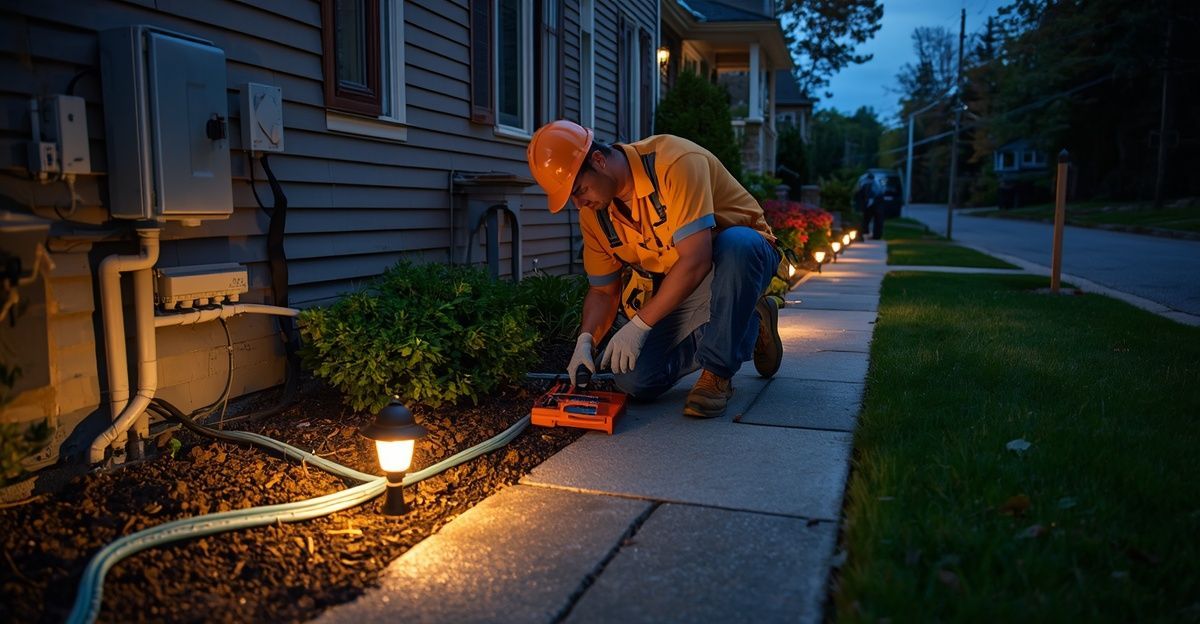
• Outdoor outlets
Adding GFCIs is one of the simplest upgrades that can greatly improve safety. It is also one of the first things electricians look for during an inspection.
How Overloaded Circuits Cause Problems
Older homes were not designed to handle air conditioners, microwaves, hair dryers, space heaters, computers, and large TVs running at the same time. When too many devices share a single circuit, the wiring heats up. Over time, this can lead to melted insulation, damaged outlets, and fire hazards.
Simple ways to reduce overload include:
• Moving high-demand appliances to separate circuits
• Avoiding the use of multiple extension cords
• Upgrading the electrical panel to support more circuits
• Using power strips with built-in surge protection
If your breakers trip often, it is a sign that your home is asking the electrical system to do more than it can handle.
Aging Wiring and the Risks It Brings
Some older homes still use knob and tube wiring or aluminum wiring. Both can create safety issues when not maintained properly. Knob and tube wiring has no grounding and is prone to insulation breakdown. Aluminum wiring expands and contracts more than copper, which can loosen connections over time.
If your home has either of these, consider having them evaluated. A professional can help confirm whether they should be replaced or whether specific repairs could improve safety.
Safe Use of Outlets and Extension Cords
Extension cords are helpful, but they should not replace proper wiring. Relying on them for long-term use puts strain on circuits and can lead to overheating.
Follow simple best practices:
• Use extension cords only as a temporary solution
• Avoid running cords under rugs or furniture
• Replace damaged or cracked cords
• Do not overload power strips
• Keep cords away from water sources
If you find yourself needing extension cords often, you may need additional outlets installed by a qualified technician.
The Value of Regular Electrical Inspections
A professional electrical inspection is one of the most effective ways to keep an older home safe. Licensed electricians look for hidden damage, outdated wiring, overloaded circuits, and unsafe modifications from past owners.
An inspection can also confirm whether your panel is still capable of supporting your household’s electrical needs. If you plan to remodel or add new appliances, an inspection becomes even more important.
Working with someone experienced in commercial electrician services or residential repairs ensures you receive accurate recommendations based on current safety standards.
Upgrading the Electrical Panel
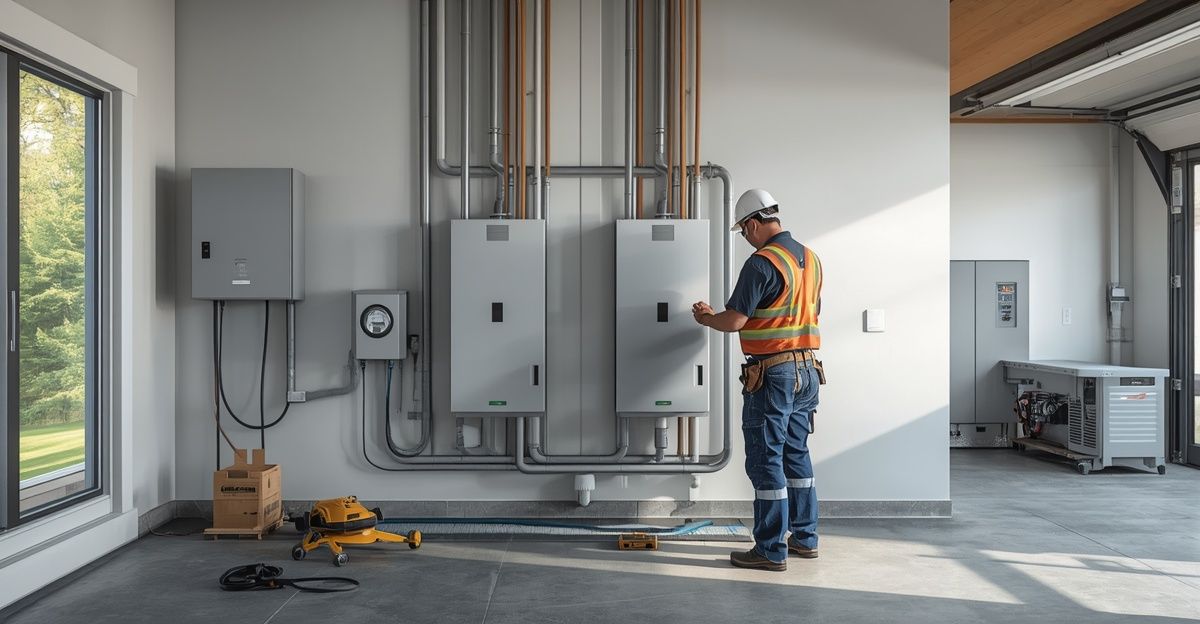
Your electrical panel is the heart of your home’s system. Many older homes still rely on panels that provide only 60 or 100 amps. Modern homes often require at least 200 amps to support today’s electrical demands.
Reasons to upgrade include:
• Frequent breaker trips
• Plans to add large appliances
• Installation of electric heating or cooling systems
• Use of high-powered tools or equipment
• Need for more circuits
• Safety concerns caused by outdated panels
A panel upgrade also makes future improvements easier and safer.
Protecting Your Home From Surges
Power surges can come from storms, faulty wiring, or even large appliances cycling on and off. While many people think of surge protectors as power strips, whole-house surge protection offers stronger, more reliable protection.
Installing surge protection helps safeguard:
• Electronics
• HVAC systems
• Appliances
• Smart devices
• Home office equipment
A trained technician can recommend the right setup for your home and make sure it is installed safely.
When to Call a Professional
Electrical work is not something to handle alone. Even small mistakes can create serious hazards. If you are unsure about the condition of your wiring, outlets, or panel, it is always best to bring in a skilled electrician in Massachusetts.
Here are times you should call a licensed pro:
• You experience flickering or dimming lights
• Your home has outdated wiring
• Your breakers trip regularly
• You want to renovate or add major appliances
• You notice warm outlets or unusual smells
• You live in an older home and have never had a full inspection
Professionals have the tools and training to diagnose issues safely and recommend the right upgrades.
A Safer Home Starts With the Right Approach
Older homes deserve proper care, especially when it comes to electrical systems. Taking simple steps like upgrading outlets, scheduling inspections, and avoiding overloaded circuits can make a huge difference. With the right precautions and timely repairs, your home can stay safe, efficient, and ready for modern living.
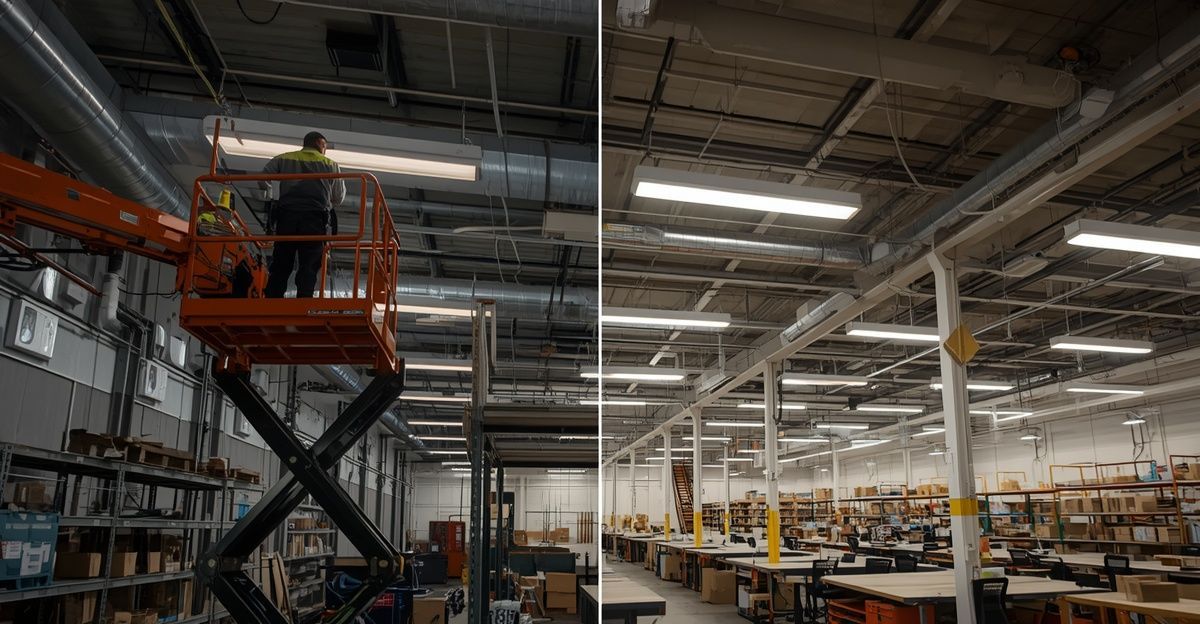
If you need help with inspections, repairs, or safety upgrades, the team at JP Electric and Son is ready to help, including parking lot lighting installation. Our licensed electricians provide reliable service and practical solutions for homes of every age. As a trusted residential electrician in MA, JP Electric & Son helps homeowners maintain safe and efficient electrical systems. To learn more or schedule an appointment, visit our website.