LED vs. Traditional Lighting: Cost, Efficiency, and Longevity
Understanding the real differences in cost, brightness, and lifespan
Lighting plays a huge role in how homes and commercial spaces look, feel, and operate. For many years, incandescent, fluorescent, and halogen bulbs were the standard. Today, LED lighting has taken the lead for people searching for better energy savings and long-term value. Understanding how LED options compare to traditional bulbs can make your next lighting decision much easier, whether you are planning a remodel, upgrading outdated fixtures, or improving efficiency in a business setting.
This guide breaks down the differences in cost, performance, and lifespan so you can see why so many property owners are making the switch. It also helps you determine what works best for your space and highlights how professional support—whether from a commercial electrician or a residential electrician in MA—ensures your systems are installed safely and correctly.
What Makes LED Lighting Different
LED stands for light-emitting diode. Instead of heating a filament like an incandescent bulb, LEDs create light through the movement of electrons. This difference in how light is produced affects everything from energy use to heat output.
LED lights tend to stay cool, last longer, and use far less power than older styles. They are available in a wide range of colors and brightness levels, which makes them useful for both homes and commercial buildings. You can find LED options for ceiling fixtures, outdoor lighting, task lighting, recessed fixtures, and large-scale applications such as parking areas.
Traditional bulbs rely on older technology that wastes much of the energy it consume. They also tend to burn out quickly, which means more frequent replacements and higher maintenance costs.
Energy Efficiency: Where LEDs Stand Out
One of the biggest reasons people switch to LEDs is the dramatic difference in energy use. An LED bulb uses up to 75% less power than an incandescent bulb. That reduction translates to lower monthly electrical bills for homeowners and businesses.
Here is how they compare in general use:
• LED bulbs convert most of the energy they use into light rather than heat.
• Incandescent bulbs waste a large portion of their energy as heat.
• Fluorescent lamps are more efficient than incandescent options but still trail far behind LEDs.
• LED bulbs reach full brightness instantly, unlike compact fluorescent lamps that warm up slowly.
Because LEDs are so efficient, they often pay for themselves over time. Businesses that rely on good lighting, such as offices, warehouses, shopping centers, and restaurants, tend to see the biggest drop in energy costs after switching. Property owners who work with electricians in Massachusetts often request LED upgrades to meet energy goals or reduce strain on older electrical systems.
Longevity and Maintenance
Another strong advantage of LED lighting is lifespan. A typical LED bulb can last 25,000 to 50,000 hours. Incandescent bulbs usually last around 1,000 hours, and compact fluorescent bulbs average about 8,000 hours.
Why this matters:
• Fewer replacements mean lower long-term costs.
• Less time spent replacing bulbs in hard-to-reach locations.
• Reduced labor costs for commercial spaces that require constant illumination.
LEDs also perform better in cold temperatures, which makes them ideal for outdoor use. Because they are resistant to shock and vibrations, they hold up well in fixtures that experience regular movement.
If you rely on light fixture installation services or similar help for ongoing maintenance, switching to LEDs reduces the number of service calls and improves reliability throughout the year.
Comparing Upfront Costs
LED lights have a higher initial price compared to incandescent or halogen bulbs. At first glance, the cost difference may seem too large for some homeowners. When you look at the full picture, though, LEDs save money in several ways.
Upfront expenses include:
• Bulb purchase price
• Fixture updates if your current setup is outdated
• Any required professional installation
Long-term savings come from:
• Lower energy use
• Fewer replacements
• Reduced heat output that can slightly ease cooling loads
Many homeowners notice the savings within the first year, depending on how much lighting they use. Businesses often experience faster payback periods due to higher usage.
Quality of Light
LED lighting has improved significantly over the past decade. Early LEDs sometimes had harsh tones or uneven brightness, but modern technology provides clean, consistent illumination.
Factors that make LEDs appealing include:
• A wide range of color temperatures from warm to cool
• Dimmable options for both homes and commercial spaces
• Better color rendering than older bulbs
• Instant lighting without flickering
This flexibility makes LEDs useful for kitchens, offices, living rooms, workshops, and outdoor environments. They support bright task lighting as well as soft, warm ambient lighting.
Environmental Impact
LED bulbs are considered a more responsible choice for the environment. They use less energy, last longer, and do not contain mercury, which is found in fluorescent lamps. Their long lifespan means fewer bulbs end up in landfills, and their reduced power consumption helps lower overall energy demand.
When combined with other efficiency upgrades, LEDs can help buildings move closer to modern energy standards. Many commercial properties update lighting to align with sustainability goals or reduce operational expenses.
Heat Output and Safety
Traditional bulbs get very hot, especially halogen and incandescent options. High heat levels can create issues in fixtures that are placed close to walls or ceilings. In rare cases, excessive heat can damage surrounding materials.
LED lights operate at a much cooler temperature. This makes them safer for enclosed spaces and areas with limited ventilation. It also reduces the risk of burns during bulb replacement.
A safer lighting setup is especially important in homes, older buildings, and businesses that run lights for long periods. Working with licensed professionals such as commercial electrician service providers ensures fixtures are properly rated, secure, and compatible with the lights you choose.
Versatility for Home and Commercial Spaces
LED options work well for almost any setting, including:
• Kitchens, bathrooms, and living rooms
• Offices and conference rooms
• Workshops and garages
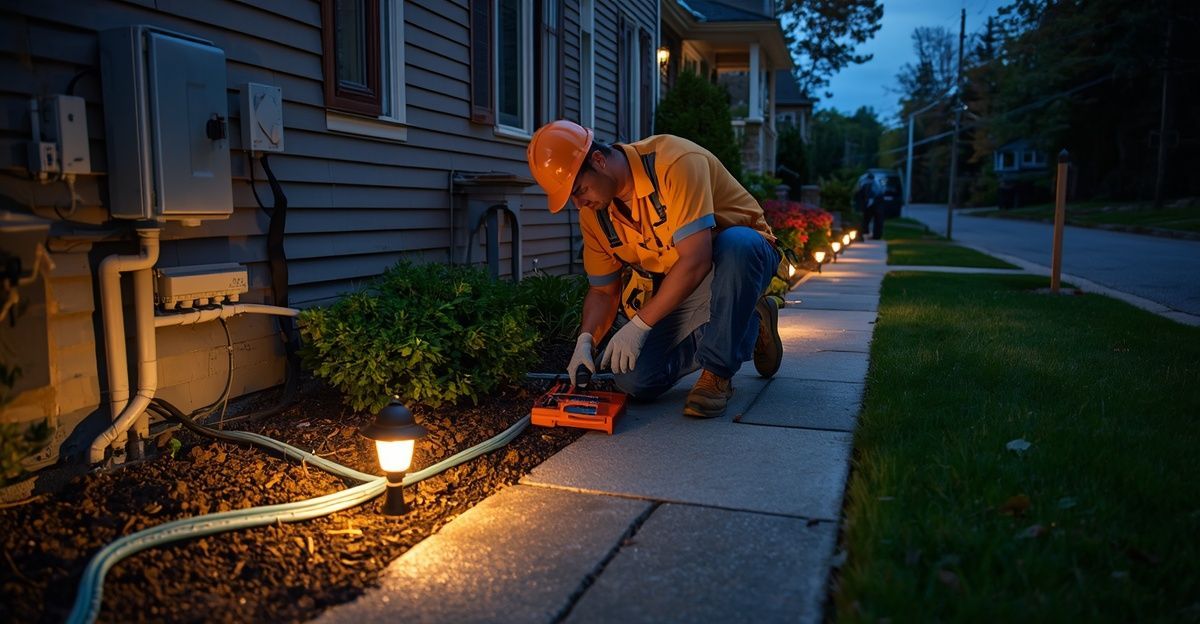
• Outdoor walkways and patios
• Retail stores and restaurants
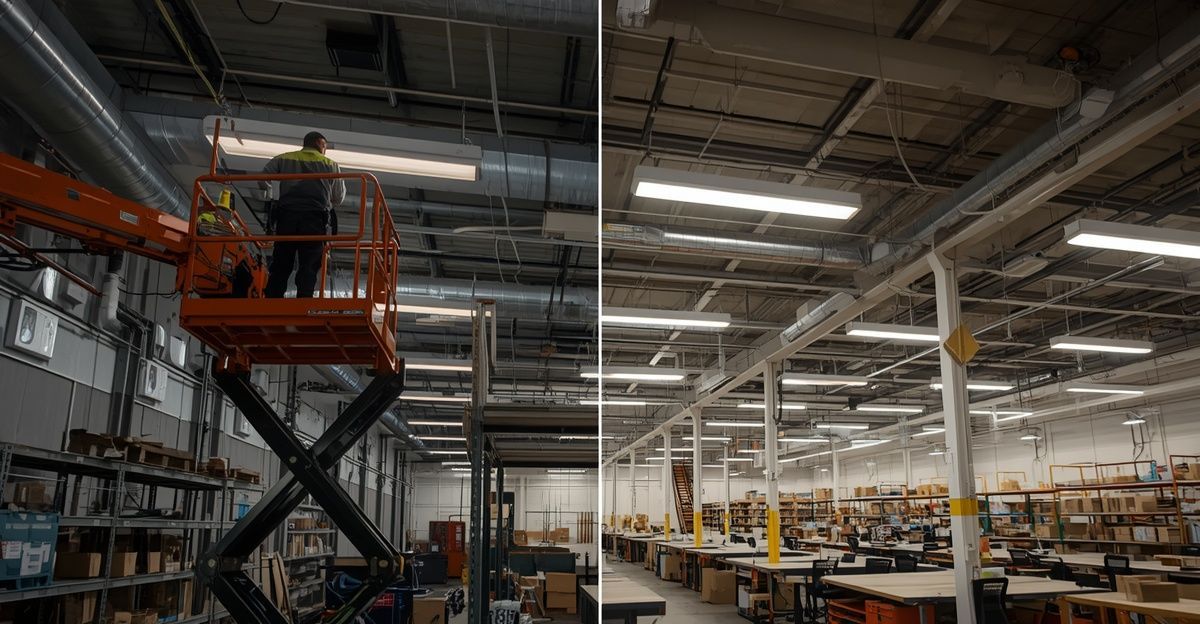
• Industrial and warehouse spaces
Modern LED fixtures offer clean design, long life, and consistent performance. For homeowners planning updates or repairs, residential electricians often recommend installing LEDs with new wiring or fixtures due to their superior reliability and energy efficiency.
Commercial properties also gain a lot from recessed LED lighting installations, especially when they need steady lighting for safety, visibility, or customer experience.
How LEDs Affect Long-Term Budget Planning
When you look at the overall life of a building, lighting affects every year of operation. LED upgrades can support long-term budgeting by lowering monthly energy use and reducing the need for frequent replacements.
Businesses that operate extended hours, such as restaurants, facilities with shift work, and retail spaces, often see the highest return on investment. Companies that need bright, outdoor illumination, such as those researching parking lot upgrades or large lighting systems, tend to benefit from steady performance and reduced maintenance.
Thinking About Switching to LEDs
If you are considering updating your lighting, here are a few things to keep in mind:
• Decide where lighting matters most in your home or building.
• Check existing fixtures to see whether they already accept LED bulbs.
• Determine whether any wiring updates are needed.
• Plan for a mix of brightness levels to match different rooms or tasks.
• Call a licensed electrician when working with complex fixtures or older electrical panels.
Professional guidance always helps, especially during larger upgrades. Safety should be a priority when making electrical changes, and the right setup ensures your lighting performs at its best.
A Reliable Step Toward Better Lighting
LED technology has changed the way people light their homes and businesses. The benefits are clear. LEDs reduce energy use, last much longer than traditional bulbs, and help create brighter, more comfortable spaces. While the upfront cost may be higher, the long-term savings, safety improvements, and reduced maintenance make them one of the smartest upgrades available today.
If you are ready to update your lighting or want expert help planning your next project, JP Electric and Son can guide you through the process. From fixture replacements to full lighting upgrades, their team makes sure every installation is handled safely and professionally. For dependable service and support you can trust, visit our website.