Is Your Home Ready for an EV Charger? What Homeowners Should Check Before Installation
Is Your Garage or Parking Area Suitable for Installation?
Electric vehicles are becoming a common sight on roads across the country. As more drivers switch from gas-powered cars to electric models, many homeowners are discovering the convenience of charging their vehicle at home. Plugging in overnight and starting the day with a full battery can save time and simplify daily routines.
However, installing an EV charger at home involves more than simply mounting a device on the wall. Your home’s electrical system must be able to support the charger safely and efficiently. Without proper preparation, homeowners may face overloaded circuits, slow charging, or even safety hazards.
Before moving forward with installation, it helps to understand what your home needs to support an EV charger. A careful review of your electrical system, available space, and charging needs can make the process smoother and safer.
This guide walks through the key things homeowners should check before installing a home EV charger.
Understanding the Types of EV Chargers
The first step is understanding the different charging options available for residential use. Most homeowners choose between two primary levels of charging.
Level 1 Charging
Level 1 charging uses a standard 120-volt household outlet. Many electric vehicles include a basic Level 1 charging cable that plugs directly into a regular outlet.
Advantages include:
- No special installation required
- Works with standard outlets
- Lower upfront cost
However, Level 1 charging is relatively slow. It typically adds about 3 to 5 miles of driving range per hour of charging. For drivers with longer daily commutes, this may not be enough.
Level 2 Charging
Level 2 chargers use a 240-volt electrical connection. This type of charger is significantly faster and is the most common option for home installations.
Benefits include:
- Charging speeds of about 20 to 40 miles of range per hour
- Faster overnight charging
- Greater convenience for daily drivers
Level 2 chargers require professional installation and often involve electrical upgrades. That is why it is important to check whether your home’s electrical system can handle the additional load.
Checking Your Electrical Panel Capacity
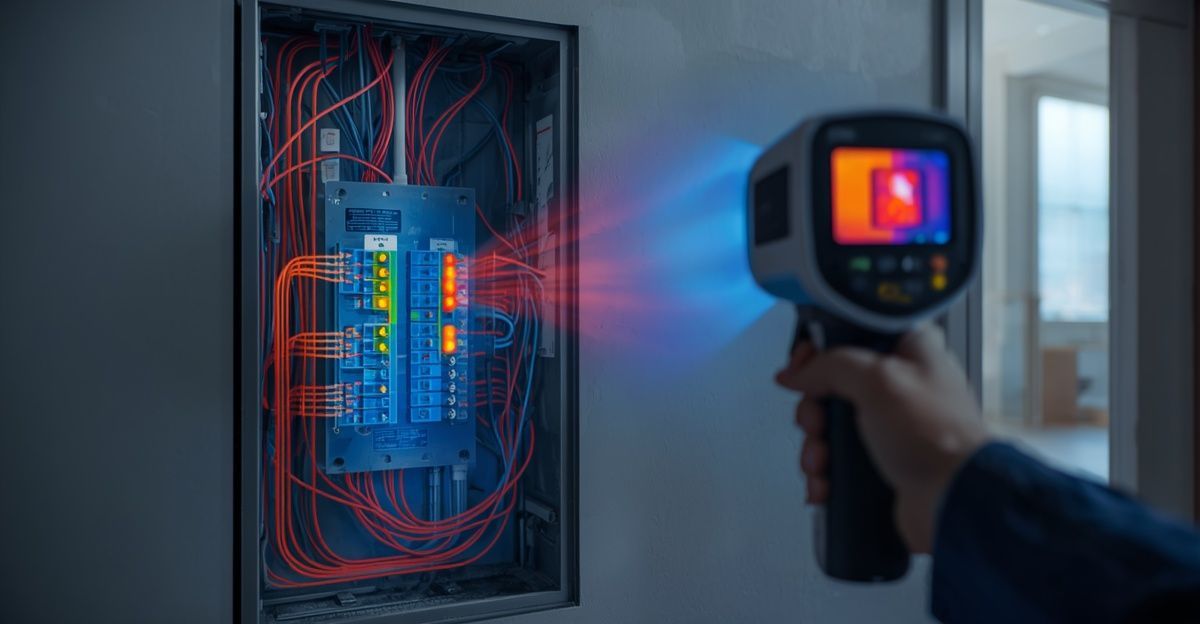
One of the most important steps before installing an EV charger is evaluating your electrical panel.
Your panel distributes power throughout your home. If it does not have enough capacity, adding an EV charger could overload the system.
Most Level 2 chargers require a dedicated 240-volt circuit with 40 to 60 amps. If your panel is already near its limit, you may need an upgrade before installation.
Here are a few signs that your electrical panel may need evaluation:
- The panel frequently trips breakers
- There are no available breaker spaces
- The home still uses an older fuse box
- The panel rating is 100 amps or lower
Many modern homes have 200-amp panels, which can usually support an EV charger without major upgrades. Older homes may need modifications to safely add the new circuit.
A licensed residential electrician service can perform a load calculation to determine whether your current panel can support the charger.
Evaluating Your Garage or Parking Area
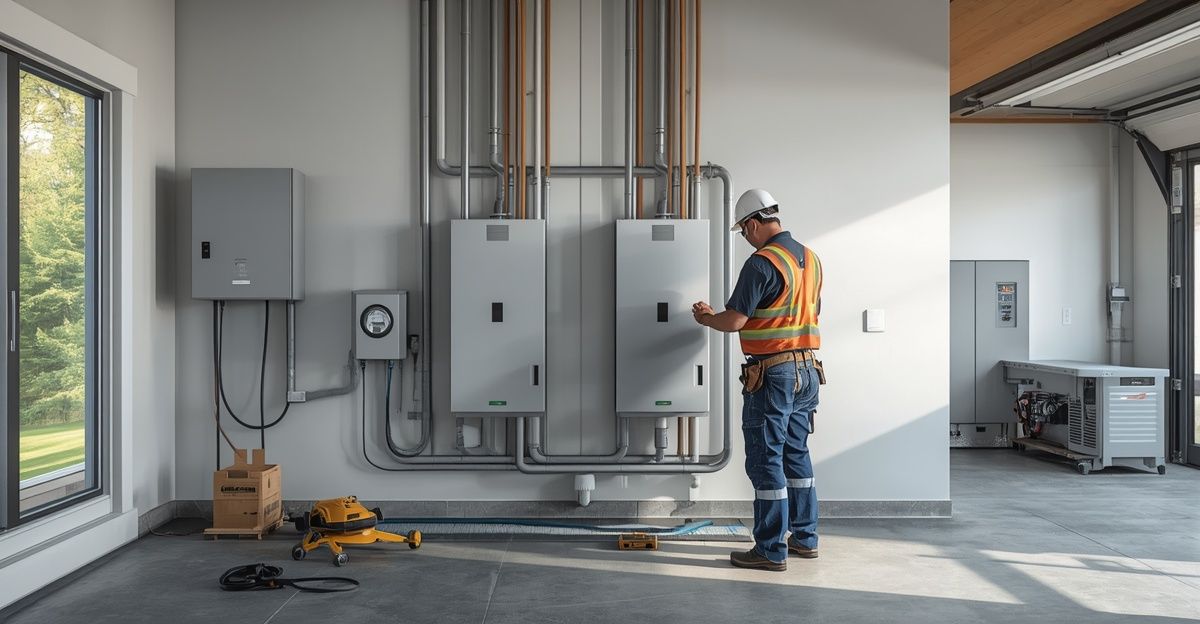
Location plays an important role in EV charger installation. The charging station should be placed where it is convenient, accessible, and protected from potential hazards.
Most homeowners install chargers in a garage, but outdoor installations are also possible when weather-rated equipment is used.
When evaluating the space, consider:
- Distance from the electrical panel
- Available wall space for mounting the charger
- Cable reach to the vehicle charging port
- Protection from weather if installed outside
Longer wiring runs can increase installation costs, so placing the charger closer to the electrical panel may help reduce expenses. Good lighting and clear access also make charging easier and safer.
Reviewing Your Home’s Wiring and Circuit Setup
Even if your electrical panel has enough capacity, the wiring between the panel and charger location must also support the required power.
Level 2 chargers draw a significant amount of electricity, which means the wiring must be properly sized and protected by a dedicated circuit breaker.
A professional electrician will check:
- Wire gauge and condition
- Circuit breaker compatibility
- Grounding and bonding
- Compliance with local electrical codes
Homes with older wiring may require upgrades before a charger can be safely installed. This is where home electrical repair services can address any issues before the charging equipment is added.
Updating wiring not only supports the charger but also improves overall electrical safety in the home.
Understanding Permits and Local Electrical Codes
Installing an EV charger often requires permits and inspections depending on local regulations.
Permits help ensure the installation meets electrical safety standards and local building codes. Skipping this step can lead to problems later, especially when selling the home or filing insurance claims.
Typical permit requirements include:
- Electrical inspection after installation
- Compliance with National Electrical Code guidelines
- Verification of proper circuit protection
Working with experienced professionals who understand local regulations helps avoid delays or compliance issues.
Homeowners who hire a qualified electrician in Massachusetts are more likely to complete the process smoothly while meeting all code requirements.
Considering Smart Charging Features
Many modern EV chargers include smart features that improve convenience and energy efficiency.
Smart chargers connect to home Wi-Fi and allow users to control charging through mobile apps.
Common features include:
- Scheduled charging during off-peak electricity hours
- Energy usage monitoring
- Remote start and stop charging
- Integration with home energy systems
These tools can help homeowners reduce energy costs while keeping track of how much electricity their vehicles use.
Some utility companies even offer incentives or rebates for installing smart chargers that help balance energy demand during peak hours.
Planning for Future Electrical Needs
When installing an EV charger, it is wise to think about long-term needs. Many households now have more than one electric vehicle, and the number is expected to grow in the coming years. Planning can prevent the need for additional upgrades later.
A few future-ready considerations include:
- Installing a panel with extra capacity
- Choosing a charger with higher power capability
- Preparing wiring for a second charging station
This approach can save time and money if another EV is added to the household later. Home electrical systems should also accommodate other growing energy demands, such as solar panels, home batteries, and electric appliances.
Understanding the Cost of Installation
The cost of installing a home EV charger varies depending on several factors.
Common cost factors include:
- Electrical panel upgrades
- Distance between panel and charger location
- Permit and inspection fees
- Charger equipment price
- Labor for installation
According to the U.S. Department of Energy, Level 2 charger installations typically range from about $500 to $2,000 depending on the complexity of the project.
Homes that require panel upgrades or extensive wiring may see higher costs. However, federal and state incentive programs sometimes offer tax credits or rebates that help offset installation expenses.
Homeowners should check available local incentives before moving forward.
Safety Considerations for EV Charger Installation
Safety should always be the top priority when adding new electrical equipment to a home. Improper installations can lead to overheating circuits, electrical fires, or equipment damage.
Important safety steps include:
- Using dedicated circuits for EV chargers
- Installing proper grounding and surge protection
- Ensuring weather protection for outdoor chargers
- Following manufacturer installation guidelines
Professional installation ensures that all safety standards are met and that the charger operates reliably.
Homeowners searching for an electrician near Fitchburg, MA often look for professionals who are familiar with EV charging systems and residential electrical upgrades.
Preparing Your Home for the Electric Future
Electric vehicles are becoming a larger part of everyday life. As technology evolves, home charging will continue to play an important role in making EV ownership convenient and practical.
Preparing your home for an EV charger is a smart step that supports both current needs and future energy trends. By reviewing your electrical panel, wiring, and installation location ahead of time, you can avoid unexpected issues and ensure that the charger operates safely and efficiently.
A thoughtful approach helps homeowners enjoy the full benefits of EV ownership without compromising electrical safety or system performance. If you are considering installing a home EV charger or upgrading your electrical system, the experienced team at JP Electric and Son can help guide the process. From evaluating your electrical capacity to ensuring safe installation, professional support makes the transition to EV charging much easier.
Learn more or schedule a consultation by visiting our website, and take the next step with a reliable exhaust fan installation service for your home.