Generator Installation Guide: How Backup Power Protects Your Home During Outages
Reliable Backup Power to Keep Your Home Safe During Outages
Power outages can happen without warning. Severe weather, grid failures, or unexpected technical issues can leave your home without electricity for hours or even days. In those moments, daily life comes to a halt. Lights go out, appliances stop working, and essential systems like heating or cooling may fail.
This is where a backup generator becomes more than just a convenience. It becomes a reliable source of protection for your home and family. Installing a generator ensures that you stay safe, comfortable, and connected even when the power grid goes down.
What Is a Backup Generator and How Does It Work
A backup generator is a system designed to provide electricity when your main power supply is interrupted. It can power selected circuits or your entire home, depending on the size and type of generator installed.
There are two common types:
- Portable generators that can be moved and manually connected
- Standby generators that are permanently installed and turn on automatically
Standby generators are the most popular choice for homeowners because they detect outages and restore power within seconds. They are typically connected to a fuel source such as natural gas or propane.
Why Power Outages Are Becoming More Common
Power outages are not as rare as they used to be. According to data from the U.S. Energy Information Administration, the average duration of power interruptions has increased over the years due to extreme weather events and aging infrastructure.
Some common causes include:
- Storms, heavy rain, and high winds
- Heatwaves that strain the power grid
- Equipment failures or maintenance issues
- Accidents involving power lines
As these risks grow, having a reliable backup plan is becoming essential for modern homeowners.
How Backup Power Protects Your Home
A generator does more than keep the lights on. It plays a key role in protecting your home from damage and disruption during outages.
Here is how it helps:
Keeps Essential Systems Running
During an outage, systems like refrigeration, heating, and medical equipment are critical. A generator ensures they continue to operate without interruption.
Prevents Food Spoilage
Without power, refrigerators and freezers can lose their cooling ability within hours. Backup power helps preserve your food and avoid unnecessary waste.
Protects Your Home from Damage
In colder climates, a loss of heat can cause pipes to freeze and burst. In warmer regions, lack of cooling can create unsafe indoor conditions. A generator helps maintain a stable environment.
Maintains Security Systems
Home security systems rely on electricity. Backup power ensures alarms, cameras, and monitoring systems remain active.
Choosing the Right Generator for Your Home
Not all generators are the same. The right choice depends on your home’s size, energy needs, and budget.
Consider these factors:
- Power capacity: Determine how many appliances and systems you want to run
- Fuel type: Natural gas, propane, or diesel options are available
- Installation space: Standby units require a dedicated outdoor area
- Automatic vs manual operation: Automatic systems offer greater convenience
A professional offering home electrician services can help assess your needs and recommend the right system.
Understanding the Installation Process
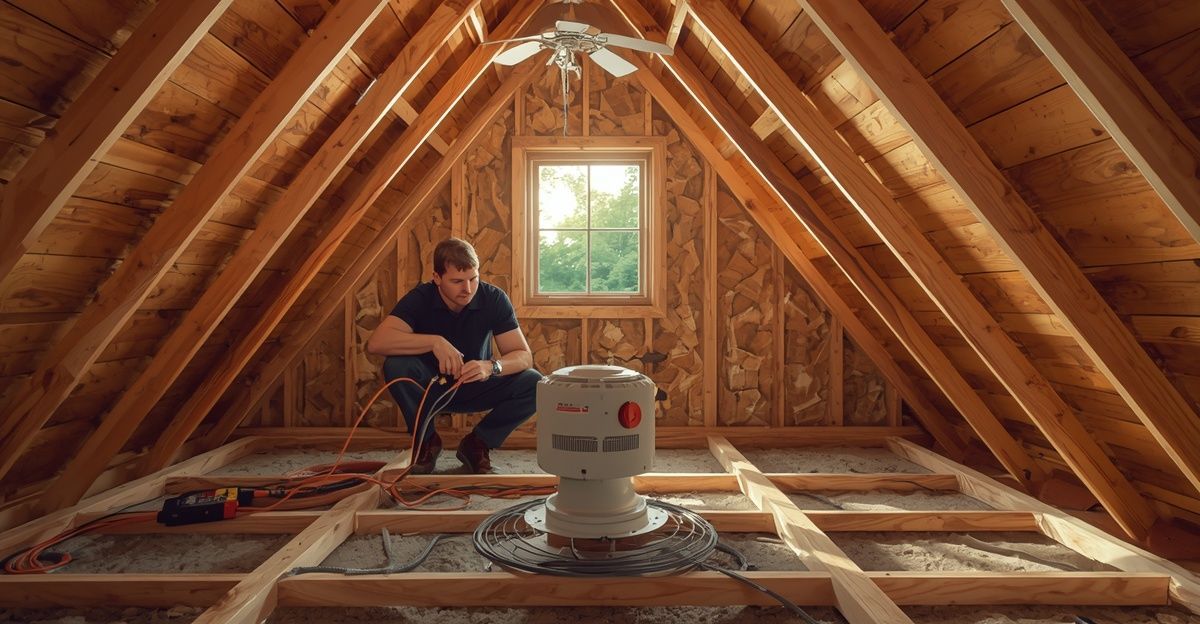
Installing a generator involves more than simply placing a unit outside your home. It requires careful planning and professional expertise to ensure safety and compliance.
The process typically includes:
- Evaluating your electrical system
- Selecting the correct generator size
- Preparing the installation site
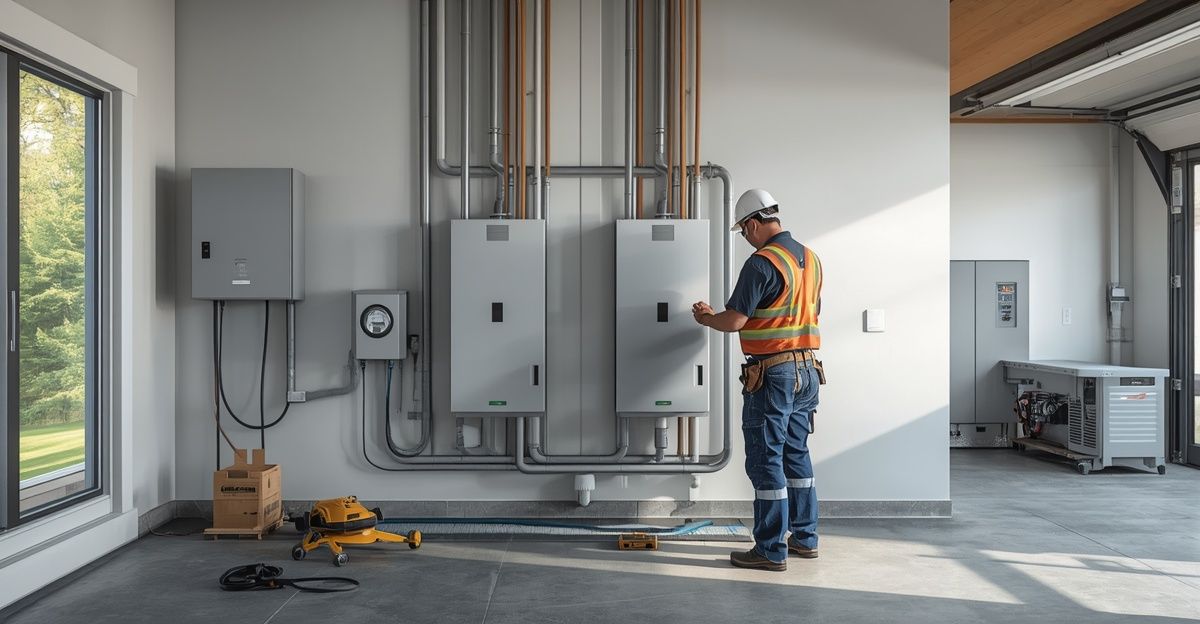
- Connecting the generator to your electrical panel
- Installing a transfer switch to manage power flow
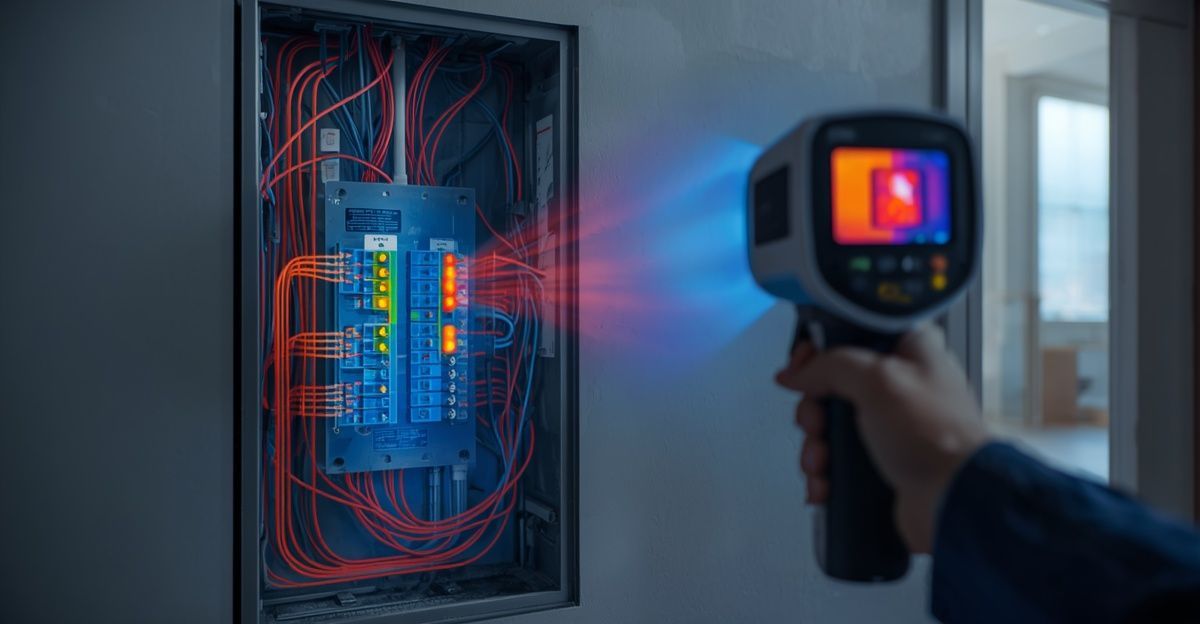
- Testing the system for proper operation
Working with an experienced residential electrician service ensures that each step is handled correctly.
The Importance of a Transfer Switch
A transfer switch is a key component of any backup generator system. It safely connects your generator to your home’s electrical system and prevents electricity from flowing back into the grid.
This is important because:
- It protects utility workers from electrical hazards
- It prevents damage to your generator and appliances
- It allows seamless switching between power sources
Without a transfer switch, using a generator can be unsafe and unreliable.
Safety Considerations You Should Know
Safety is one of the most important aspects of generator use. Improper installation or operation can lead to serious risks.
Keep these safety tips in mind:
- Always install generators outdoors in well-ventilated areas
- Never run a generator inside your home or garage
- Ensure proper grounding and wiring
- Schedule regular maintenance checks
- Use professional installation services
Hiring a qualified electrician nearby helps ensure your system meets all safety standards.
Supporting Modern Lifestyles During Outages
Today’s homes depend heavily on electricity for work, communication, and entertainment. A power outage can disrupt all of these activities.
With a backup generator, you can:
- Continue working from home without interruptions
- Keep internet and communication systems active
- Power essential kitchen appliances
- Maintain comfort during extreme weather
This level of reliability makes a significant difference in day-to-day life.
Long-Term Benefits of Installing a Generator
While the initial cost of a generator may seem significant, the long-term benefits often outweigh the investment.
These include:
- Reduced risk of property damage
- Increased home value
- Greater peace of mind
- Reliable power during emergencies
Homebuyers are also more likely to view properties with backup power systems as well-prepared and future-ready.
Maintenance and Care for Your Generator
Like any major system, a generator requires regular maintenance to perform effectively.
Basic maintenance steps include:
- Checking fuel levels and connections
- Replacing filters as needed
- Running periodic system tests
- Scheduling professional inspections
Routine care ensures that your generator is ready when you need it most.
Why Professional Installation Matters
Generator installation involves working with both electrical and fuel systems. This makes it a job best handled by licensed professionals.
A trusted electrician in Fitchburg, MA can:
- Ensure proper system integration
- Handle permits and inspections
- Follow local electrical codes
- Provide reliable and safe installation
Choosing experienced experts like JP Electric and Son gives you confidence that your system will work when it matters most.
Preparing Your Home for the Unexpected
Power outages are unpredictable, but your response does not have to be. Planning ahead with a backup generator can make a stressful situation much more manageable.
Instead of worrying about lost power, you can focus on keeping your household safe and comfortable. This proactive approach is one of the smartest investments you can make in your home.
Take Control of Your Home’s Power
A backup generator is more than just an upgrade. It is a practical solution that protects your home, supports your lifestyle, and prepares you for unexpected events.
If you are considering installing a generator, now is the right time to take the next step. JP Electric and Son offers expert guidance and reliable installation services tailored to your needs.
To learn more about backup generators and dependable commercial electrician services in MA, explore JP Electric & Son's comprehensive electrical solutions designed for homes and businesses alike.