From Knob-and-Tube to Modern Wiring: What Happens During a Full Home Rewire
Planning the Rewiring Project: What Homeowners Should Expect
Many older homes have charm, character, and history. They also often have electrical systems that were installed decades ago. While those systems may have worked well in the past, modern homes rely on far more electricity than they did when these houses were first built.
One of the most common examples is knob-and-tube wiring. Once widely used in homes built before the 1950s, this early electrical system is now considered outdated. Homeowners who still have it often face challenges with safety, insurance coverage, and the ability to support modern appliances.
A full home rewire replaces aging electrical systems with modern wiring designed to handle today’s energy needs safely. While the process may sound complicated, understanding what happens during a rewire can help homeowners feel more prepared and confident about the upgrade.
What Is Knob-and-Tube Wiring?
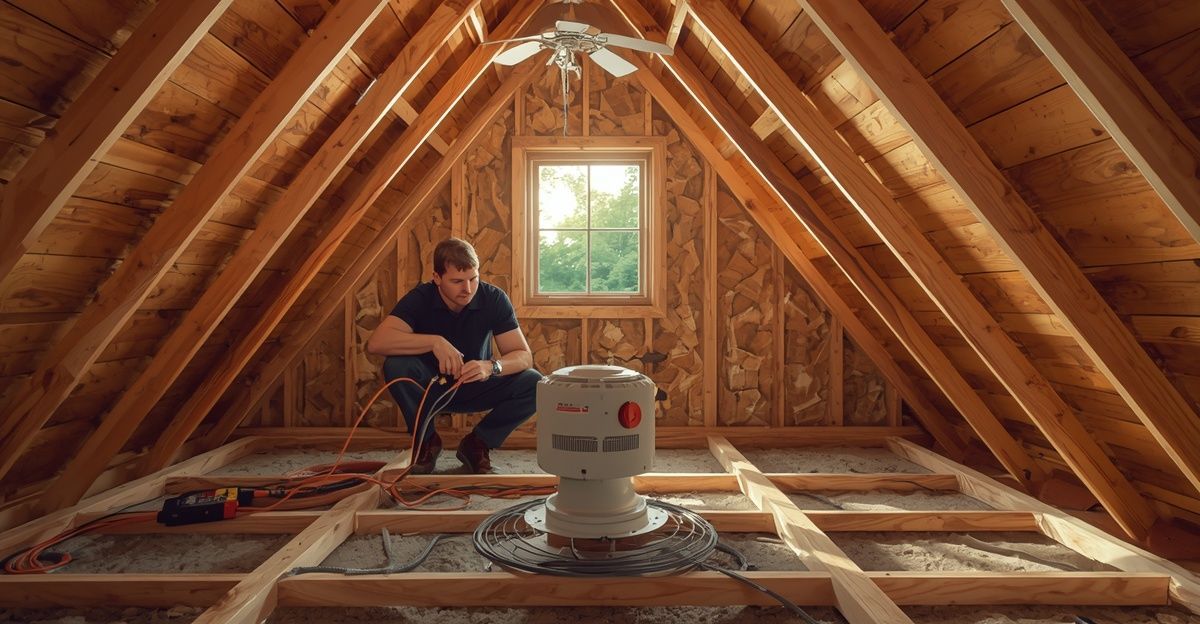
Knob-and-tube wiring was commonly used in North American homes from the late 1800s through the early 20th century. The system gets its name from the ceramic knobs that held wires in place and the ceramic tubes that protected wires passing through wooden framing.
At the time, this design worked well for homes with minimal electrical demand. Early households relied on a few lights and perhaps a radio. The wiring system reflected that limited need.
However, modern homes use far more electricity. Today’s households rely on devices such as:
- Refrigerators and large appliances
- Heating and cooling systems
- Computers and home offices
- Electric vehicle chargers
- Entertainment systems
Knob-and-tube systems were never designed to handle this level of power demand. As a result, many older homes require electrical upgrades to safely support modern living.
Why Homeowners Replace Knob-and-Tube Wiring
While knob-and-tube wiring can sometimes remain functional, it comes with several limitations and risks that lead many homeowners to consider a full rewire.
Limited Electrical Capacity
Older systems typically lack the capacity needed for modern appliances and electronics. Overloaded circuits can cause frequent breaker trips or overheating wires.
Lack of Grounding
Knob-and-tube wiring does not include a grounding wire. Grounding helps protect against electrical shock and improves safety for modern devices.
Insurance Concerns
Many insurance providers consider knob-and-tube wiring a higher risk. Some policies require replacement before issuing or renewing coverage.
Aging Materials
Electrical insulation can deteriorate over time. Wires that are decades old may become brittle or damaged, increasing the risk of electrical problems.
For these reasons, homeowners often work with professionals who provide home electrical repair services to evaluate whether a full rewire is necessary.
Signs Your Home May Need a Full Rewire
Not every older home needs a complete electrical replacement. However, several warning signs may indicate that your wiring system is outdated or struggling to keep up with demand.
Common signs include:
- Flickering or dimming lights
- Frequently tripped breakers
- Two-prong outlets without grounding
- Burning smells near outlets or switches
- Warm or discolored outlets
- Lack of outlets in key rooms
These issues often point to an electrical system that was not designed for modern usage. A licensed professional offering residential electrician service can inspect the home and determine whether a partial upgrade or full rewire is the best solution.
What Happens During a Full Home Rewire
A home rewire replaces outdated wiring with modern electrical systems that meet current safety codes. While each project varies depending on the home’s layout and condition, the process typically follows several key steps.
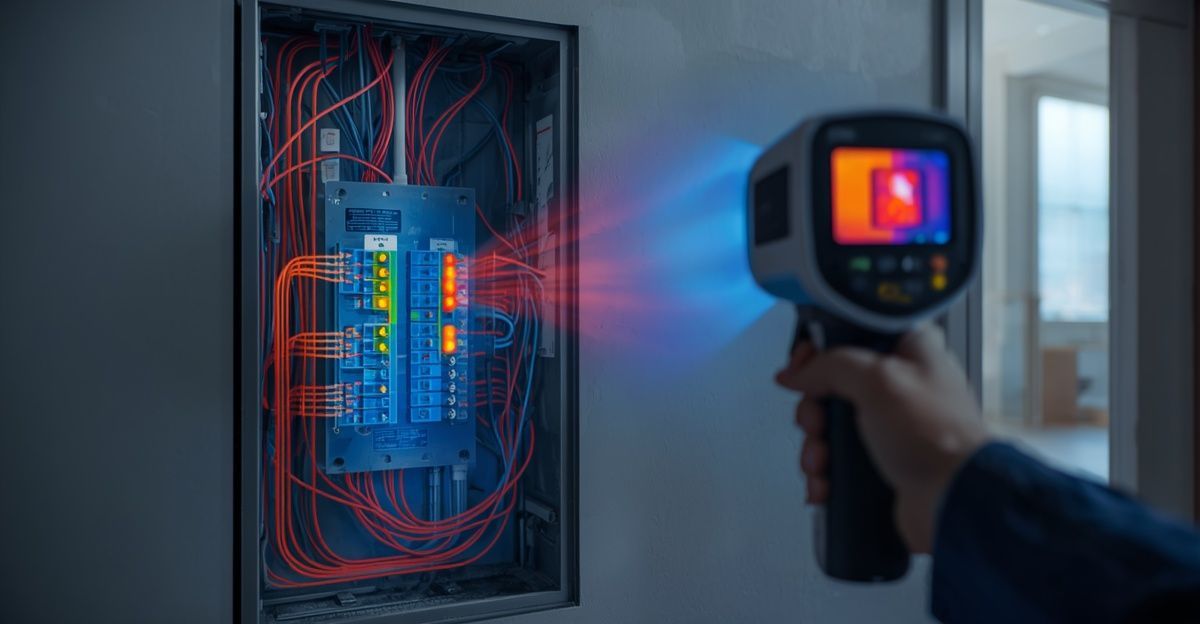
Initial Electrical Inspection
The first step is a detailed inspection of the home’s electrical system.
Electricians evaluate:
- Existing wiring type and condition
- Electrical panel capacity
- Number and placement of outlets
- Lighting circuits
- Safety concerns or code violations
This inspection helps determine the scope of work required for the upgrade. It also allows homeowners to plan improvements such as adding outlets, upgrading lighting, or improving circuit layout.
Planning the New Electrical Layout
Once the inspection is complete, the electrician designs a new wiring plan tailored to the home.
This plan may include:
- Additional outlets in modern living areas
- Dedicated circuits for appliances
- Updated lighting circuits
- Grounded electrical systems
- Improved circuit distribution
Homes built decades ago often have fewer outlets than modern homes require. A rewire provides an opportunity to improve convenience and safety at the same time.
Removing or Bypassing Old Wiring
During the rewire, electricians disconnect and replace outdated wiring. In some cases, old knob-and-tube wires may remain inside walls but are permanently disconnected. Removing them entirely is not always necessary if they are no longer active.
The focus is on installing new wiring that meets modern electrical codes and safety standards.
Running New Electrical Wiring
New wiring is carefully installed throughout the home. Electricians run cables through walls, ceilings, and floors to connect outlets, switches, and fixtures.
This stage may involve:
- Opening small sections of drywall
- Accessing attic or basement spaces
- Drilling through framing members for cable routing
Experienced electricians work to minimize disruption to the home while ensuring the new wiring is properly installed.
Installing New Outlets and Switches
Modern homes require more outlets than older homes originally had. During the rewire, electricians typically install new outlets and switches in key areas.
This may include:
- Grounded three-prong outlets
- Kitchen appliance outlets
- GFCI outlets in bathrooms and kitchens
- Outdoor outlets for exterior use
These updates improve safety and make daily living more convenient.
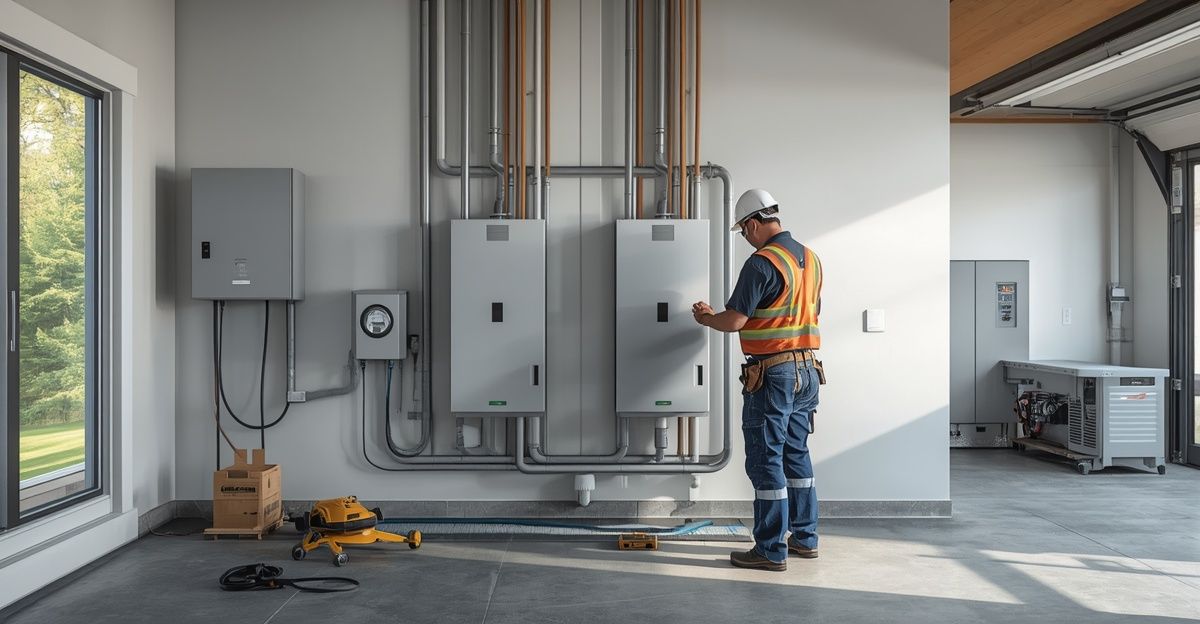
Upgrading the Electrical Panel
In many cases, a full rewire also includes upgrading the electrical panel.
Older homes often have panels rated for 60 or 100 amps. Modern homes typically require 200-amp service to support appliances, heating systems, and modern technology.
Upgrading the panel allows the electrical system to distribute power more safely and efficiently. Homeowners working with a trusted electrician in Massachusetts can ensure the panel upgrade meets all current code requirements.
Testing and Safety Inspections
Once the wiring installation is complete, electricians thoroughly test the system.
They check:
- Proper circuit connections
- Grounding and bonding
- Breaker function
- Outlet voltage levels
- Lighting operation
In many areas, a local inspector will also review the work to confirm that it meets safety standards and building codes. These inspections provide peace of mind that the new electrical system is safe and reliable.
How Long Does a Home Rewire Take?
The timeline for a full home rewire depends on several factors, including the size of the house and the complexity of the project.
In general, homeowners can expect the process to take anywhere from several days to two weeks.
Factors that influence the timeline include:
- Home size and layout
- Accessibility of walls and attic spaces
- Electrical panel upgrades
- Permit and inspection scheduling
Experienced professionals work efficiently while maintaining safety and quality standards throughout the project.
Benefits of Upgrading to Modern Wiring
A full rewire offers several important benefits beyond simply replacing outdated wires.
Improved Electrical Safety
Modern wiring systems include grounding and better insulation, which help reduce the risk of electrical fires or shocks.
Greater Electrical Capacity
New wiring can handle the increased demand of modern appliances, electronics, and charging devices.
Increased Home Value
Buyers often prefer homes with updated electrical systems. A rewire can improve the home’s appeal during resale.
Better Convenience
More outlets, better lighting layouts, and properly distributed circuits make daily living easier. Homeowners searching for an electrician near Fitchburg, MA often choose to complete a full rewire as part of larger renovation projects.
Preparing Your Home for the Future
Homes built decades ago were never designed for today’s level of electrical demand. As technology continues to evolve, reliable electrical systems will become even more important.
Upgrading from knob-and-tube wiring to modern electrical infrastructure ensures that your home can support new appliances, smart technology, and future upgrades safely.
A full home rewire may seem like a major project, but it offers long-term benefits that improve safety, comfort, and property value.
If your home still has older wiring or you suspect your electrical system may need an upgrade, the experienced team at JP Electric and Son can help evaluate your options. Their professionals provide expert guidance and safe installation to bring older homes up to modern standards.
Visit our website to learn more or schedule an inspection, including services like parking lot lighting installation, and take the first step toward a safer, more reliable electrical system for your home.