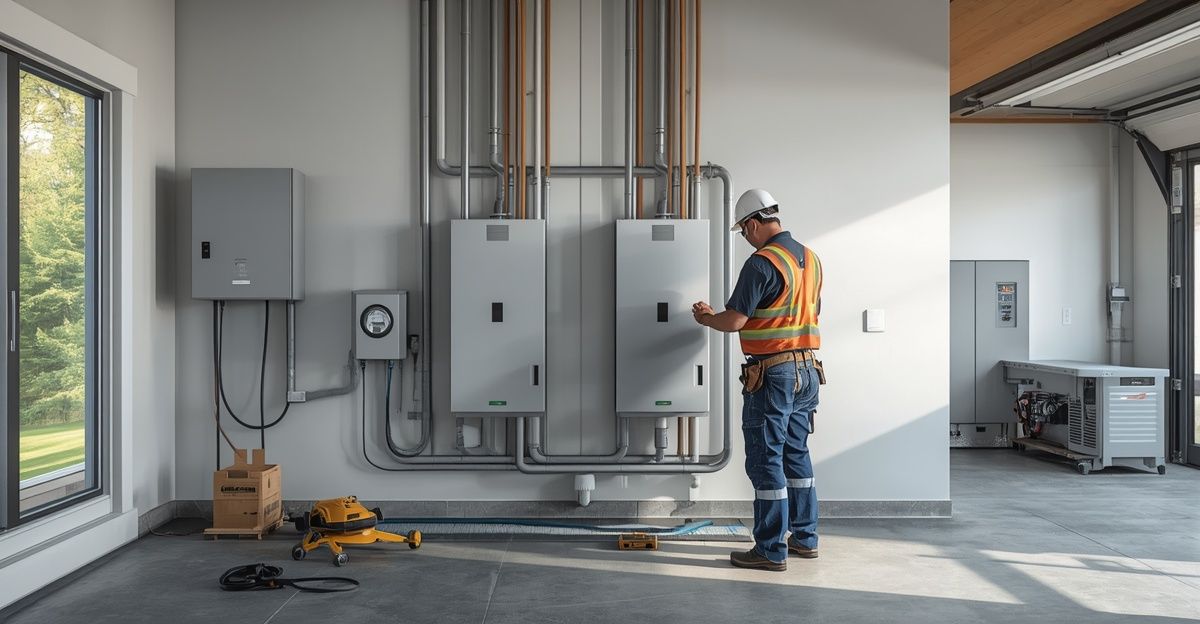
What to know about electrical systems in commercial buildings?

August 1, 2025

Key Insights Every Property Owner Needs to Ensure Safe, Efficient, and Code-Compliant Electrical Systems

Electrical fires are a serious concern for both homes and businesses. According to the National Fire Protection Association (NFPA), electrical malfunctions cause an average of 46,700 fires annually in the United States, leading to thousands of injuries and extensive property damage. The good news is that most electrical fires are preventable with the right precautions and professional support.


Here are five essential ways to reduce the risk of electrical fires and keep your home or workplace safe.


1. Avoid Overloading Circuits:  Plugging too many devices into a single outlet is a common mistake that can lead to overheating and potential fire hazards. Each circuit in your home or building has a specific capacity, and exceeding that limit puts stress on the wiring.


Avoid using extension cords as a permanent solution, and instead, distribute appliances across multiple outlets to balance the load. If your circuits trip frequently, it may indicate an underlying issue. In such cases, consulting a licensed electrician is the best course of action.


2. Inspect Wiring Regularly:
  Old, damaged, or frayed wiring is one of the leading causes of electrical fires. Many older buildings still rely on wiring systems that aren’t equipped to handle today’s energy demands.


Watch for warning signs such as flickering lights, burning odors near outlets, or switch plates that are discolored or warm to the touch. If you notice any of these issues, contact a qualified electrician immediately to perform a full inspection and make the necessary repairs.


3. Use the Correct Light Bulbs:
  Using light bulbs that exceed the recommended wattage for a fixture is a fire hazard that’s often overlooked. Bulbs that emit more heat than a fixture can handle may cause overheating and potentially ignite nearby materials.


Always check the maximum wattage limit for each light fixture and choose bulbs that stay within those guidelines. Switching to LED bulbs can also reduce the risk, as they generate less heat and are more energy efficient. If you’re unsure about a fixture’s safety, schedule a professional inspection to ensure everything is up to code.


4. Upgrade Your Electrical Panel:
  Your electrical panel plays a central role in regulating the flow of electricity throughout your property. If you're frequently dealing with tripped breakers or adding new appliances, it could be time to upgrade your panel.


Older panels may not support modern power needs and can overheat, posing a significant risk. Upgrading to a newer, higher-capacity panel with enhanced safety features ensures your system runs reliably. Be sure to hire a licensed electrician with experience in both residential and commercial upgrades to handle the job safely.


5. Schedule Routine Professional Inspections:
  While regular maintenance is important, nothing compares to having your system professionally inspected. Licensed electricians in Massachusetts can identify hazards you might not notice and provide solutions to keep your property safe.


Routine inspections offer several benefits, including early detection of potential issues, expert recommendations for fire prevention, and reassurance that your electrical system complies with current safety standards. Whether it’s replacing outdated wiring or maintaining light fixtures, consistent upkeep helps prevent dangerous situations before they arise.


Take the Right Steps Toward Fire Prevention


Preventing electrical fires starts with awareness and action. From managing your electrical load and upgrading your panel to routine inspections, taking these steps helps protect both your property and everyone inside it.

At JP Electric and Son, we’ve proudly served the Fitchburg, MA community for over 13 years, offering reliable home electrical repair services at affordable rates. Our team handles everything from troubleshooting and repairs to full system upgrades with safety and precision in mind.


Don’t wait for a problem to surface. Schedule your inspection today at  JP Electric and Son and keep your property safe and powered with confidence.
By 66b4f57f3d24d70008ec672b August 11, 2026
Major appliances like ovens, ranges, and refrigerators require dedicated circuits, correct wire gauges, and proper grounding to operate safely. Improper wiring is one of the leading causes of residential electrical fires. Hiring a licensed electrical repair service company ensures your appliances are wired correctly, safely, and up to code. Plugging in a refrigerator or sliding an oven into place feels simple enough. But behind that wall? The wiring doing the heavy lifting is anything but simple. Major appliances draw significant power, and the electrical infrastructure supporting them needs to be precise, code-compliant, and professionally installed. At JP Electric and Son, Inc. , we have spent over 13 years handling residential electrician service across Massachusetts, Vermont, and New Hampshire. We have wired hundreds of kitchens, completed thousands of service changes, and seen firsthand what happens when appliance wiring goes wrong. This guide breaks down what safe wiring actually looks like for your major appliances. Why Appliance Wiring Is Not a DIY Project Most homeowners assume that if an appliance turns on, the wiring must be fine. That assumption can be dangerous. Large appliances pull high electrical loads continuously. Undersized wiring overheats. Loose connections arc. Missing grounding creates shock hazards. These are not hypothetical risks; they are common causes of house fires and electrical injuries. Safe wiring starts before the appliance even arrives. Each major appliance typically requires its own dedicated circuit Wire gauge must match the appliance's amperage draw Proper grounding protects both the appliance and the people using it Outlets and connections must meet current NEC (National Electrical Code) standards Wiring Requirements for Common Major Appliances Electric Ovens and Ranges Electric ranges are among the highest-drawing appliances in any home. Getting their wiring wrong carries serious consequences. A standard electric range requires a 240-volt dedicated circuit, typically rated at 40 to 50 amps. The circuit must use the correct gauge wire and terminate at an approved range outlet or hardwired connection. Key wiring requirements: 240V dedicated circuit with a double-pole breaker Minimum 8-gauge wire for 40-amp circuits; 6-gauge for 50-amp Proper 4-wire connection (two hot legs, one neutral, one ground) Anti-tip bracket installation alongside electrical hookup JP Electric and Son has completed 467 stove outlet swaps, including conversions from gas to electric setups. That level of hands-on experience matters when precision is non-negotiable. Refrigerators Refrigerators seem low-maintenance, but their wiring requirements are specific. Most refrigerators operate on a standard 120-volt circuit, but that circuit should be dedicated. Sharing a refrigerator circuit with other outlets leads to nuisance tripping and, worse, food spoilage during an unnoticed outage. What a proper refrigerator circuit looks like: Dedicated 15 to 20-amp, 120-volt circuit GFCI protection if the outlet is within six feet of a sink Grounded three-prong outlet in good condition No extension cords or multi-outlet adapters Dishwashers Dishwashers combine water and electricity, which makes their wiring especially safety-critical. Most dishwashers require a dedicated 120-volt, 20-amp circuit. Depending on local code, the connection may be hardwired or connected through a dedicated outlet inside the cabinet. Wiring checklist for dishwashers: Dedicated 20-amp circuit with its own breaker GFCI protection required under current NEC guidelines Proper strain relief on wiring connections No shared circuits with garbage disposals or other outlets Washer and Dryer Connections Laundry appliances present a split challenge: electric dryers need 240V connections, while washers operate on 120V but require GFCI-protected dedicated circuits. Electric dryer wiring requirements: 240-volt dedicated circuit at 30 amps 10-gauge wire minimum 4-prong outlet for all dryers manufactured after 2000 Dryer cord properly matched to the outlet configuration Gas dryers still need a 120-volt grounded outlet for their controls and ignition, making electrical inspection part of any gas dryer installation as well. What Can Go Wrong Without Proper Electrical Appliance Wiring Services Wiring shortcuts show up in older homes constantly. Previous owners, unlicensed handymen, or outdated electrical systems leave behind hazards that seem invisible until something fails. Common problems our team finds during inspections: Shared circuits causing repeated breaker trips Undersized wire causing overheating and insulation damage Missing or improper grounding creating shock risk Outdated 3-prong dryer outlets that do not meet current code Range connections installed without strain relief or proper termination These are not just code violations. They are genuine safety risks for you and your family. Addressing them early through best home electrical repair practices is always less costly than dealing with the aftermath. How JP Electric and Son Approaches Every Appliance Wiring Job We start every job with a thorough inspection. Not just at the outlet or connection point, but back to the panel. We trace circuits, check breaker ratings, confirm wire gauges, and identify anything that does not meet current standards. From there, we sit down with you. We explain what we found, what needs to happen, and why. No pressure. No confusing jargon. Just clear, honest information so you can make the right decision for your home and your budget. Then we get to work. Fast, clean, and done right the first time. Our process covers: Full circuit inspection before any appliance connection Dedicated circuit installation where required Code-compliant outlet upgrades and replacements Panel assessment to confirm capacity for new loads Written documentation of all work completed As a trusted electrical repair service company serving Fitchburg, MA and the surrounding Eastern New England region, JP Electric and Son brings licensed expertise and a real commitment to getting the job done properly. Stop Guessing. Get It Done Right. Appliance wiring is not something to leave to chance or to put off until something goes wrong. The right residential electrician service makes the difference between a home that is truly safe and one that carries hidden risk every single day. JP Electric and Son, Inc. is ready to inspect your appliances, upgrade your wiring, and give you confidence that your home's electrical system can handle the demands you place on it. With over 13 years of experience, thousands of successful installations, and a team that genuinely cares about the people they serve, we are the team to call. Reach out to JP Electric and Son today and request your free quote. Let's make sure your home is wired to keep your family safe.
By 66b4f57f3d24d70008ec672b August 11, 2026
A 400-amp electrical service upgrade is necessary when a property's power demand exceeds what a standard 100- or 200-amp panel can handle. This typically applies to large homes, EV charging setups, home additions, or commercial spaces running heavy equipment. Upgrading prevents overloads, improves safety, and supports modern energy needs. Most homes and businesses were built at a time when electrical demand was a fraction of what it is today. Back then, a 100- or 200-amp service was more than enough. That's no longer the case for many properties. If your breakers trip frequently, your lights dim when appliances run, or you're planning a major addition or renovation, your electrical system may be telling you something important. It may be time to think about 400-amp service. This is where reliable home electrical repair services make all the difference. The right electrician doesn't just upgrade a panel. They assess your full system, plan the upgrade properly, and ensure everything meets code. What Is 400-Amp Electrical Service? A 400-amp service is a high-capacity electrical setup that delivers twice the power of a standard 200-amp system. It typically involves two 200-amp panels working together, fed by a single meter. How It Differs From Standard Service Most residential properties run on 100- or 200-amp panels. These handle the basics well: Standard lighting and outlets Kitchen appliances HVAC systems Washers and dryers A 400-amp setup goes further. It supports: Multiple high-draw appliances running at the same time Electric vehicle charging stations Whole-home generators Large HVAC systems or heat pumps Home workshops with heavy machinery Is It Residential or Commercial? Both. While 400-amp service is common in commercial settings, residential demand has grown significantly. Larger homes, smart home systems, and EV adoption have made it a practical upgrade for homeowners too. When Does a Property Actually Need 400-Amp Service? Not every property needs this level of power. But certain situations make it a clear necessity. Large Square Footage Homes over 3,500 square feet often have electrical needs that strain a standard 200-amp panel. More rooms mean more circuits, more lighting, and more appliances running simultaneously. Larger HVAC zones require more power Multiple bathrooms with electric water heaters add significant load Home theaters, smart systems, and security setups add up fast Electric Vehicle Charging A Level 2 EV charger typically draws 32 to 50 amps on its own. If you own two EVs, or plan to, a 400-amp service gives you the capacity to charge efficiently without overloading your existing panel. This is one of the fastest-growing reasons JP Electric and Son, Inc. sees upgrade requests across residential and commercial properties. In fact, the team has completed over 1,378 EV charger installations to date. Home Additions and Renovations Adding a new wing, finishing a basement, or converting a garage into a living space all increase electrical demand. Trying to power new rooms off an already-loaded panel is a recipe for problems. New circuits need available breaker slots Panel capacity must match the added square footage Inspectors require compliant capacity for permitted additions Commercial and Industrial Properties Commercial spaces have unique power demands. Restaurants, manufacturing floors, and office buildings often run equipment that draws far more power than any residential setup. JP Electric and Son, Inc. has completed over 32 commercial fit-outs and worked with 8 restaurants, each requiring careful load planning and a properly sized service. Workshop and Hobby Spaces A home workshop with a table saw, air compressor, dust collector, and welding equipment can draw as much power as a small business. A dedicated 400-amp service keeps the rest of your home running without interference. What the Upgrade Process Looks Like A 400-amp service upgrade is not a DIY project. It involves coordination with your local utility company, permit applications, and licensed installation work. Here is what a professional process looks like. Step 1: Load Assessment A qualified electrician evaluates your current and projected power usage. This determines whether 400-amp service is the right fit or if another solution works better. Review of existing panel and circuits Calculation of current and future electrical load Identification of circuits requiring upgrades Step 2: Permit and Utility Coordination In Massachusetts, all service upgrades require permits and utility approval. Working with a licensed electrician in Fitchburg, MA ensures this process runs smoothly and that work is fully code-compliant. JP Electric and Son, Inc. holds licenses in Massachusetts, Vermont, and New Hampshire, making them well-equipped to manage this process from start to finish. Step 3: Installation and Inspection The actual installation involves upgrading the service entrance, installing new panels, and ensuring all wiring meets current code. After installation, a licensed inspector reviews the work before power is restored. Service entrance cable and meter base replacement Dual 200-amp panel installation Grounding and bonding updates as needed Why the Quality of the Electrician Matters A service upgrade at this scale has no room for shortcuts. Improper installations can cause fires, failed inspections, and expensive corrections. The value of experienced commercial electrician services or residential electrician service comes down to planning and execution. JP Electric and Son , Inc. has completed over 3,956 service changes across Eastern New England, with more than 13 years of hands-on experience. Their process begins with a thorough inspection, followed by a transparent consultation, and ends with clean, code-compliant installation work. As a Fitchburg electrician trusted by homeowners and businesses alike, their team works with clients to plan every stage of the project, keeping costs predictable and timelines on track. Is 400-Amp Service Right for Your Property? Ask yourself a few questions: Are your breakers tripping more than once a month? Do lights flicker when large appliances run? Are you planning an EV charger, major renovation, or new construction? Is your current panel already at or near capacity? If you answered yes to any of these, a 400-amp service evaluation makes sense. A qualified electrician can assess your load and give you a clear recommendation. Get the Power Your Property Needs Electrical capacity is not something to manage reactively. Waiting for problems to appear means living with inconvenience at best, and facing safety risks at worst. JP Electric and Son, Inc. provides home electrical repair services, residential electrician service, and commercial electrician services across Fitchburg, MA and the broader Eastern New England region. Their team handles everything from initial assessment to final inspection, with a commitment to quality and on-time delivery. Ready to find out if a 400-amp upgrade is right for your property? Reach out to JP Electric and Son, Inc. today for a free quote and consultation.
Professional Electrical Planning Can Save Time & Money
July 7, 2026
Save time and reduce renovation costs with professional electrical planning. Learn how expert design helps avoid delays, costly rework, and future electrical issues.
Fuse Boxes & Circuit Breakers
July 7, 2026
Learn the key differences between fuse boxes and circuit breakers, why homeowners are upgrading, and how a modern electrical panel improves safety and reliability.
Commercial Build-Outs Explained
June 8, 2026
Learn what business owners should know about electrical planning for commercial build-outs, from power needs and code compliance to future-ready system design.
Electrical installation for a backyard pool and hot tub
June 8, 2026
Installing a pool, hot tub, or outdoor features? Learn essential electrical safety, code, and wiring considerations to keep your outdoor space safe and reliable.
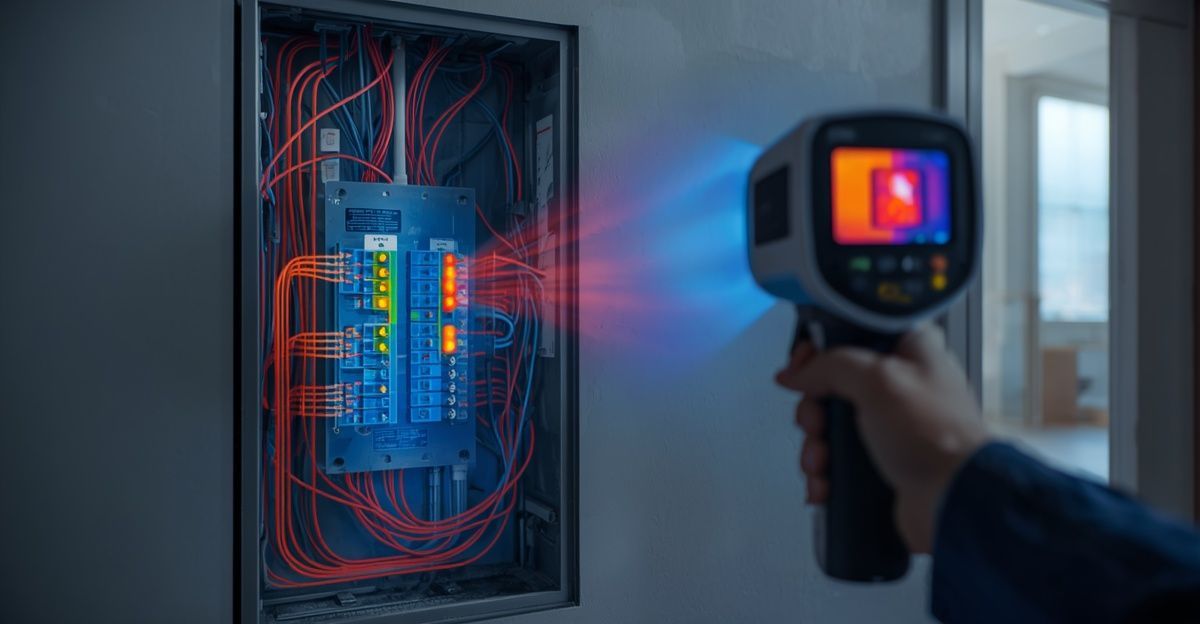
How Infrared Thermography Finds Hidden Electrical Issues
May 5, 2026
Learn how infrared thermography detects hidden electrical issues, prevents fires, reduces repair costs, and improves system safety in homes and buildings. Read more.
Electrical Planning for New Construction Homes
May 4, 2026
Learn what homeowners often overlook in new construction electrical planning, from panel capacity and outlet placement to smart home wiring and safety. Read more.
Generator Installation Guide
April 20, 2026
Discover how infrared thermography inspections identify hidden electrical problems early, helping prevent failures, fire hazards, and costly repairs. Read more.
Why Modern Homes Need Electrical Service Panel Upgrades
April 17, 2026
Discover why service panel upgrades are essential for modern homes to support increased power demands, improve safety, and enhance electrical efficiency. Read more.