8 Signs You Should Schedule an Electrical Inspection
Protect Your Home and Family by Catching Electrical Issues Early
Electricity keeps our homes and businesses running smoothly, yet it’s something most of us rarely think about until a problem arises. Unlike a leaky faucet or a broken appliance, electrical issues aren’t always obvious. In fact, many electrical hazards remain hidden until they cause major damage, power outages, or even fires. This is why scheduling an electrical inspection is so important. A professional inspection ensures your wiring, outlets, and electrical panels are safe and up to code, protecting your property and everyone inside.
If you’ve been putting off an inspection, it may be time to reconsider. Here are eight clear signs that you should schedule one sooner rather than later.
1. Your Lights Flicker, Dim, or Burn Out Frequently
A light flickering now and then may not seem like a big deal, but it could point to deeper issues. Dimming or inconsistent lighting often signals poor wiring connections, overloaded circuits, or problems with your breaker panel.
If light bulbs burn out quickly, the problem may not be the bulb itself but the electrical system feeding it. These issues can become dangerous if ignored, since unstable electrical flow increases the risk of overheating and fire.
Professional light fixture installation services can also help if your fixtures are outdated or not wired correctly. A residential electrician in Massachusetts can determine whether you simply need new fixtures or if your home’s wiring needs attention.
2. You Rely on Too Many Extension Cords and Power Strips
Most of us use extension cords occasionally, but if they’re powering essential items in your home or business every day, that’s a sign of inadequate wiring or too few outlets. Overloading outlets is one of the leading causes of electrical fires in the United States, according to the National Fire Protection Association (NFPA).
Rather than risking safety, consider having an electrician nearby install additional outlets or upgrade your system. A licensed residential electrician service can expand your home’s capacity while ensuring everything complies with safety codes.
3. Your Circuit Breakers Trip Often
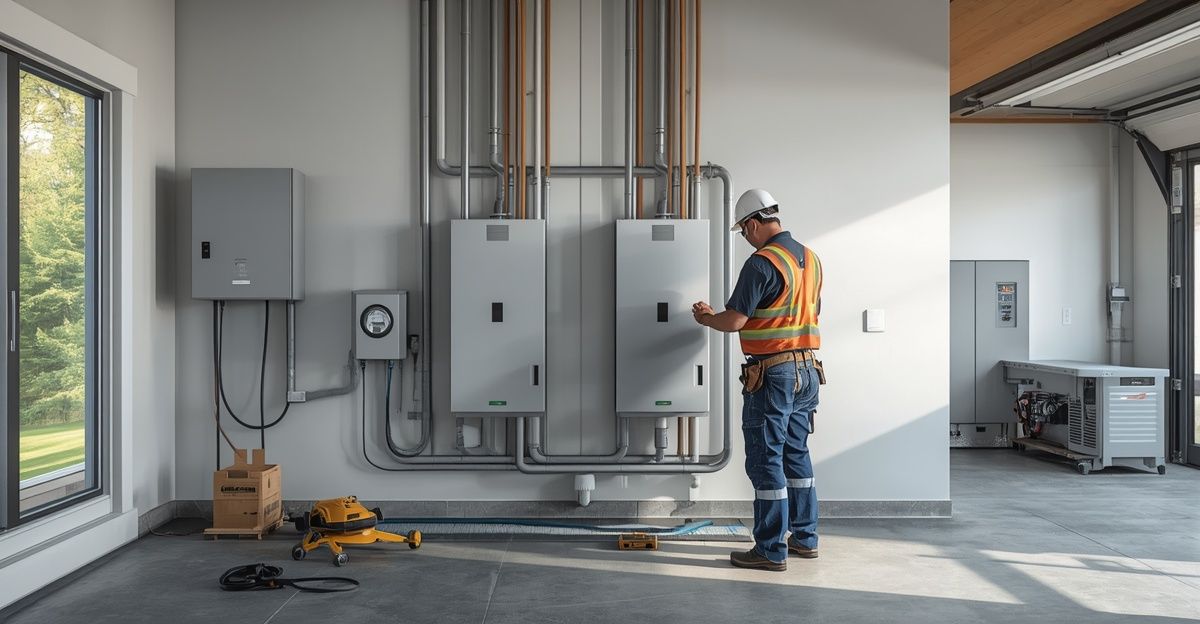
Circuit breakers are designed to protect your home by shutting off power when a circuit becomes overloaded. If your breakers trip occasionally, that’s normal. But if it’s happening regularly, you may be dealing with faulty wiring, outdated panels, or circuits that can’t handle the load of modern appliances.
For businesses, frequent tripping may require commercial electrician services to ensure your equipment and lighting don’t cause unnecessary downtime. For homeowners, a home electrical repair service can upgrade panels or add new circuits so your system runs reliably.
4. Outlets Feel Warm or Look Discolored
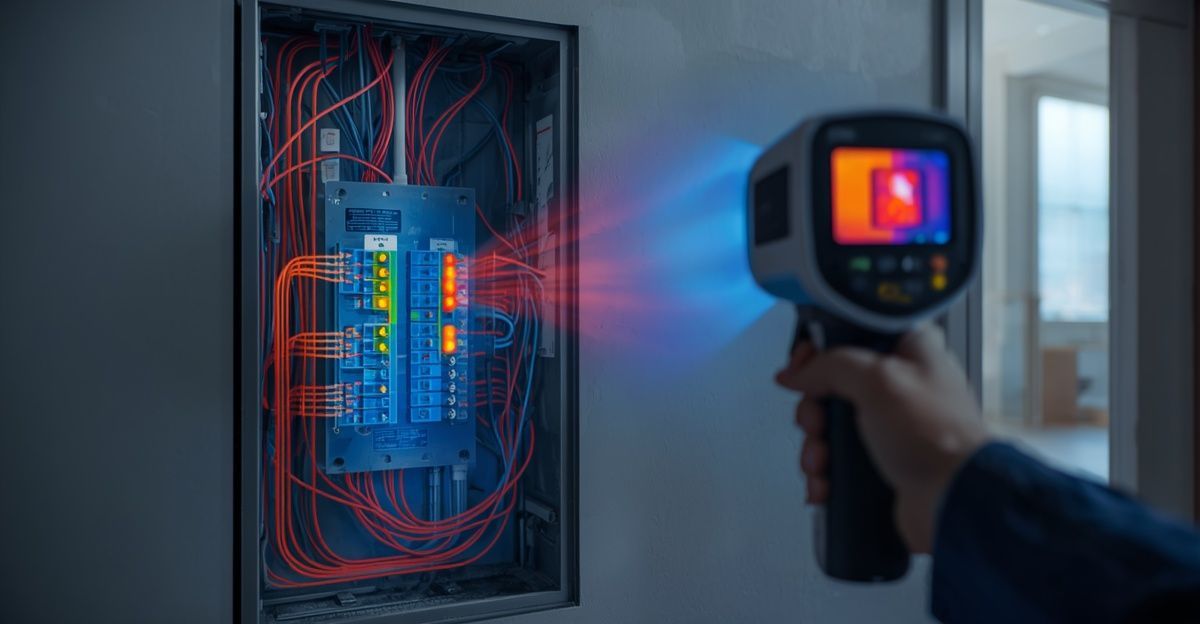
If you’ve ever noticed an outlet that feels hot, looks charred, or gives off a burning smell, that’s an urgent red flag. Overheated outlets usually indicate faulty wiring, overloaded circuits, or loose connections. Left unaddressed, they can quickly turn into a fire hazard.
A qualified electrician in Fitchburg, MA can safely diagnose and repair the issue. It’s also a good idea to schedule an inspection right away to rule out larger problems in your system.
5. You’re Living in an Older Home
If your home is more than 30 years old and hasn’t had a recent electrical inspection, it’s time to schedule one. Older homes often still have outdated wiring that wasn’t designed to handle today’s technology-heavy lifestyles.
Aluminum wiring, knob-and-tube systems, and undersized panels are common in older houses. These outdated systems can’t support modern appliances, electronics, or HVAC systems safely. An inspection by a residential electrician in MA can uncover these risks and recommend safe, cost-effective upgrades.
6. You’ve Recently Renovated or Added New Appliances
Home renovations and new appliances place additional strain on your electrical system. For example, installing a modern HVAC system, hot tub, or home office setup often requires more power than your previous setup.
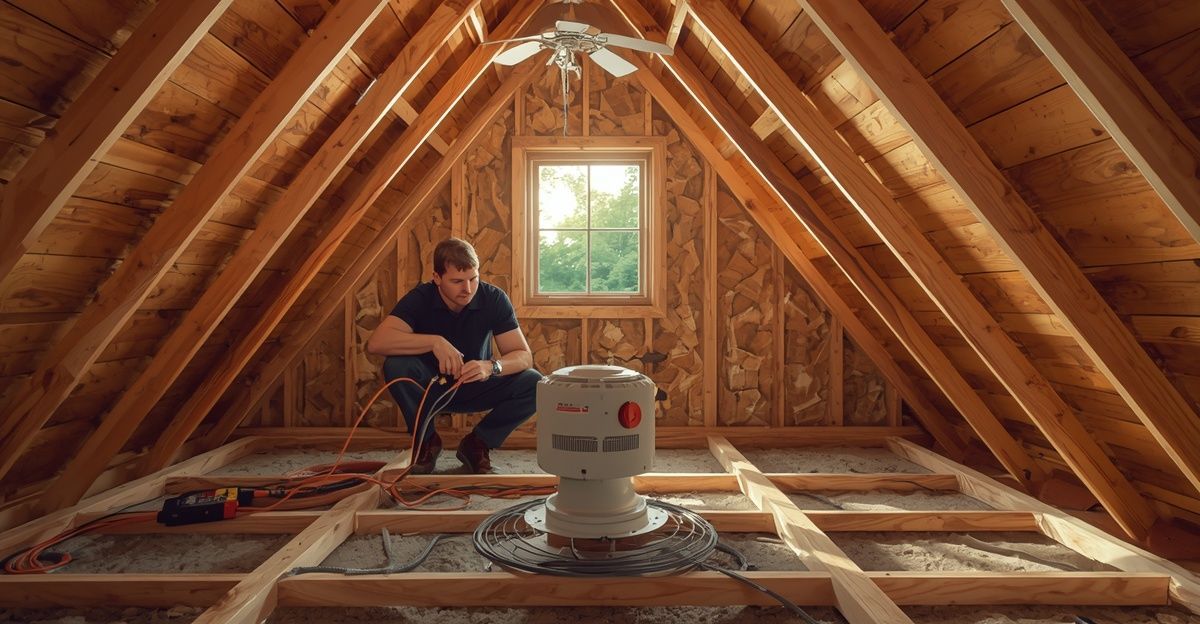
Even smaller updates like chandelier light installation, recessed lighting, or bathroom exhaust fan upgrades can demand rewiring. Professional recessed lighting or exhaust fan installation service ensures your additions are safe, functional, and efficient.
After renovations, an inspection helps confirm your home is still up to code and your circuits can handle the new load.
7. You Experience Electrical Shocks or Sparks
Have you ever unplugged something and felt a small shock? Or maybe you’ve noticed sparks when plugging in an appliance. While static electricity can sometimes be the cause, recurring shocks or visible sparks are dangerous.
They may point to:
- Frayed or damaged wiring
- Loose connections
- Overloaded circuits
- Faulty outlets
A licensed electrician can quickly assess the situation. Scheduling an inspection will give you peace of mind and prevent costly damage.
8. Rising Energy Bills Without Explanation
If your electric bill has increased but your usage hasn’t changed, your system may be wasting energy. Old wiring, failing appliances, or poor connections force your system to work harder, which drives up costs.
A professional inspection can identify inefficiencies and offer solutions like upgrading to energy-efficient fixtures. Many commercial LED lighting installers also recommend inspections to businesses looking to cut costs.
For homeowners, replacing outdated fixtures with recessed LED lighting installation or having an affordable electrician check for faulty wiring can make a noticeable difference.
Why Electrical Inspections Matter
Electrical problems aren’t just inconvenient—they’re dangerous. According to the U.S. Fire Administration, electrical malfunctions are a leading cause of home fires. Inspections help catch hidden issues before they cause harm, saving you money and keeping your family or business safe.
A thorough inspection can:
- Detect faulty or outdated wiring
- Confirm circuits aren’t overloaded
- Ensure panels, outlets, and switches are functioning safely
- Verify your system is up to current codes and standards
Whether you need home electrician services for peace of mind or commercial electrician in MA expertise for your business, inspections are one of the smartest investments you can make.
How Often Should You Schedule an Electrical Inspection?
The National Electrical Code recommends homeowners schedule an inspection every 3 to 5 years, depending on the age of the home and system. Businesses often require more frequent checks due to higher electrical demands.
You should also schedule an inspection when:
- Buying or selling a home
- Adding major appliances
- Renovating or remodeling
- Experiencing frequent electrical problems
Choosing the Right Electrician
When it comes to electrical safety, choosing the right professional matters. Look for licensed, insured electricians with experience in both residential and commercial work. In Massachusetts, a trusted electrician like JP Electric and Son provides reliable service backed by years of experience.
Whether you need a pole light repair electrician or simply the best home electrical repair team for your house, working with a qualified company ensures the job is done right.
Conclusion
Electrical inspections are one of the best ways to keep your home or business safe, efficient, and up to code. If you’ve noticed flickering lights, frequent breaker trips, warm outlets, or unexplained spikes in your energy bill, don’t ignore the warning signs. The cost of prevention is always less than the cost of repairs after an emergency.
Whether you need reliable residential electrician services, experienced commercial electricians, or a trusted electrical contractor in Massachusetts, scheduling an inspection today can help safeguard your property and prevent costly issues down the road.
Ready to make your home or business safer? Contact the experienced team at JP Electric and Son to schedule your inspection today.