Smart Home Electrical Upgrades: What You Need to Know

66b4f57f3d24d70008ec672b • October 6, 2025

Essential Tips for Safely Modernizing Your Home’s Electrical System

The concept of a smart home has moved from futuristic fantasy to practical reality. Today, homeowners are investing in technology that makes their living spaces more convenient, efficient, and secure. From automated lighting to smart thermostats, these systems rely heavily on a reliable electrical infrastructure. That’s why understanding smart home electrical upgrades is essential before making any big changes.


Why Smart Home Electrical Upgrades Matter


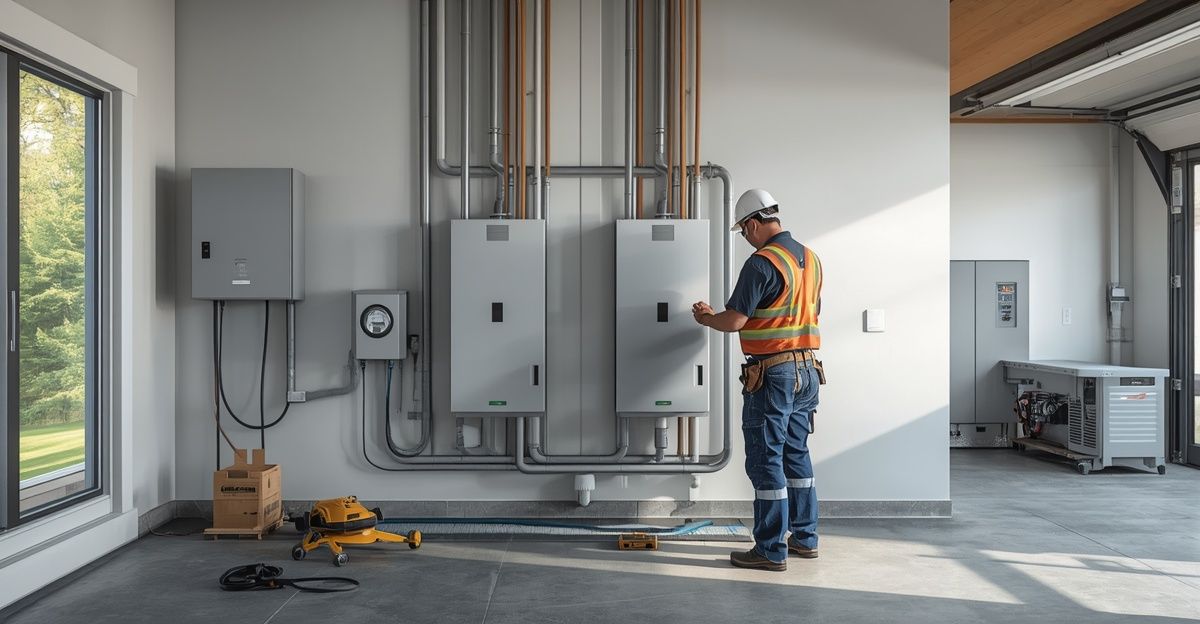
Many homeowners underestimate the importance of electrical upgrades when planning smart home improvements. Older wiring, outdated panels, or insufficient outlets can limit what your smart devices can do. Upgrading ensures your home can safely handle modern power demands while allowing room for future technology.


Some key benefits include:


  • Safety: Reduces risks of electrical overloads, short circuits, or fires.
  • Reliability: Smart devices operate smoothly without unexpected interruptions.
  • Efficiency: Supports energy-saving devices like smart thermostats and LED lighting.
  • Value: Increases home appeal and may boost resale value.

For anyone in Fitchburg or Massachusetts, hiring professional home electrical repair services or a residential electrician service ensures these upgrades are done safely and correctly.


Essential Electrical Upgrades for a Smart Home


  1. Panel Upgrades: Older electrical panels may not support the increased load from multiple smart devices. Upgrading to a modern panel allows:

  • Higher amperage for new circuits
  • Integration with backup power solutions
  • Better safety with modern breakers

A licensed electrician can evaluate whether your panel needs an upgrade or if additional circuits are required.


  • Wiring Enhancements:  Smart homes often require dedicated wiring for devices like smart security systems, lighting, and home entertainment. Benefits of updated wiring include:

  • Reduced risk of interference
  • Enhanced power delivery for high-demand devices
  • Support for future technology without repeated rewiring

Residential electrician services in MA specialize in upgrading and reconfiguring wiring for smart home setups.


  • Lighting Upgrades: Smart lighting is one of the most visible and practical smart home features. Upgrades can include:
  • Recessed LED lighting installation for energy efficiency
  • Chandelier light installation  or repair for style and functionality
  • Automated controls to adjust brightness and color depending on time of day or activity

Light fixture installation services can ensure proper placement, electrical compliance, and integration with smart controls.


Smart Appliance and HVAC Integration


  • Many smart homes include automated heating, cooling, and appliances. Electrical upgrades may involve:
  • Dedicated circuits for high-power appliances
  • Proper grounding to prevent electrical interference
  • Integration with smart panels or hubs

Professional electrical repair services are crucial when connecting smart appliances to avoid overloading your home’s electrical system.


  • Security and Home Automation Systems
    Smart security systems rely on steady power and reliable wiring. Upgrades can include:

  • Powering cameras, sensors, and alarms
  • Integrating with smart lighting for presence simulation
  • Backup solutions for outages

Hiring a commercial or residential electrician can ensure these systems are installed safely and meet local code requirements.


Choosing the Right Electrical Professional


Selecting the right electrician is critical. Look for:


  • Experience with smart home electrical upgrades
  • Licensing and insurance
  • Availability for emergency repairs and ongoing support
  • Positive local reputation

For homeowners in Fitchburg, searching for “electrician near me” or “affordable electrician in Fitchburg, MA” is a practical way to find trusted professionals. Whether you need light pole repair, recessed lighting installation, or a full electrical panel upgrade, a licensed professional ensures quality and safety.


Tips for a Smooth Smart Home Upgrade


  • Plan ahead: Map out all devices and their power needs before starting upgrades.
  • Prioritize safety: Never attempt complex electrical work without professional guidance.
  • Future-proof your home: Install extra circuits and outlets for devices you may add later.
  • Invest in quality components: Reliable wiring, smart panels, and surge protectors prevent long-term problems.

Current Trends in Smart Home Electrical Upgrades


  • LED Lighting: Homes are switching to recessed LED lighting installations to reduce energy costs. According to the U.S. Department of Energy, LEDs use at least 75% less energy than incandescent lighting.
  • Energy Monitoring Systems: Smart meters and panels provide insights into energy usage, helping homeowners save money.
  • Integration with Voice Assistants: More homes now feature lights, thermostats, and security systems controlled via Alexa, Google Home, or Siri.

Common Mistakes to Avoid


  • Overloading circuits with too many smart devices
  • Ignoring the need for dedicated circuits for high-power devices
  • DIY electrical upgrades that violate code or safety standards
  • Failing to hire qualified electricians in Fitchburg, MA, or the surrounding areas

Smart home upgrades are an exciting opportunity to improve comfort, efficiency, and security. However, they also require careful planning and professional electrical support. From panel and wiring upgrades to smart lighting and appliance integration, every step should prioritize safety and long-term reliability. Partnering with experienced professionals ensures your home is ready for the technology of today and tomorrow.


If you’re ready to take your home to the next level with smart electrical upgrades, trust the experts at JP Electric and Son. Their team of skilled residential and commercial electricians in Fitchburg, MA can handle everything from home electrical repair to light fixture installation services. Explore your options and schedule your consultation today at JP Electric and Son.

By 66b4f57f3d24d70008ec672b • September 8, 2026
The body content of your post goes here. To edit this text, click on it and delete this default text and start typing your own or paste your own from a different source.
By 66b4f57f3d24d70008ec672b • September 8, 2026
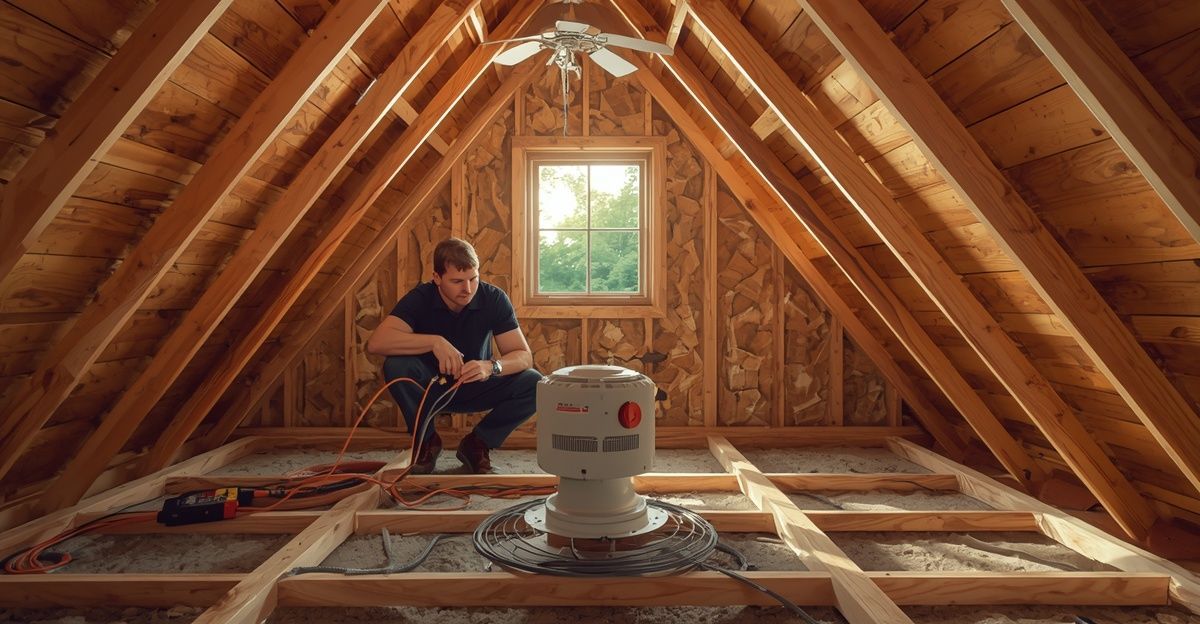
Ceiling fan installation involves key electrical considerations, including proper circuit capacity, secure wiring connections, and a fan-rated junction box. Skipping any step creates real safety risks. For homeowners in Fitchburg, MA, working with a licensed electrician ensures the job is done right the first time. Ceiling fans are one of the most practical home upgrades you can make. They improve airflow, reduce energy costs, and add a polished look to any room. But behind that smooth spin is a set of electrical requirements that, if overlooked, can lead to flickering lights, tripped breakers, or worse. Most homeowners underestimate what ceiling fan installation actually involves. It goes well beyond swapping a light fixture. The electrical system feeding that fan needs to be up to the task, and the setup needs to meet code. Here is what you need to know before starting the project, and why getting it right matters. Does Your Circuit Have Enough Capacity? Understanding Circuit Load Requirements Every ceiling fan draws power from your home's electrical circuit. A standard ceiling fan with a light kit typically uses between 60 and 100 watts. That may sound small, but problems arise when a fan shares a circuit with other high-draw appliances. Before installation, check: The circuit's amperage rating (usually 15A or 20A) What else is already running on that circuit Whether the total load stays within 80% of the circuit's capacity Overloaded circuits cause breakers to trip repeatedly. In older homes, the wiring itself may not handle the added demand safely. When a Dedicated Circuit Is Needed In some cases, particularly for larger fans or rooms with heavy electrical use, a dedicated circuit is the right call. This is especially common in: Master bedrooms with multiple devices Home offices with computers and lighting Rooms where a dimmer switch or smart control is being added A licensed residential electrician service can assess your panel and tell you exactly what your home needs. The Junction Box: A Detail That Cannot Be Skipped Why a Standard Box Is Not Enough This is one of the most common mistakes in ceiling fan installation. A standard electrical box, the kind used for light fixtures, is not designed to support a ceiling fan's weight and movement. Ceiling fans create a constant dynamic load. They vibrate, rotate, and shift slightly during operation. A box that is not fan-rated can loosen over time, causing the fan to wobble or, in serious cases, fall. What a Fan-Rated Box Looks Like A proper fan-rated junction box is: Rated for at least 35 pounds (some support up to 70 pounds) Anchored directly to a ceiling joist or a rated brace bar Stamped or labeled as "acceptable for fan support" If your current box does not meet these standards, it needs to be replaced before the fan goes up. This is a straightforward job for a qualified Fitchburg electrician, and it is not something to skip in the name of saving time. Wiring Considerations That Affect Performance Single-Switch vs. Dual-Switch Wiring Many homeowners want independent control over the fan motor and the light kit. Achieving this requires two separate switches, which means the ceiling box needs two hot wires running to it. If your existing wiring only has one hot wire, your options are: Run new wiring to add a second switch Use a remote control or wireless receiver kit Install a smart fan controller that handles both functions from one switch Each option has trade-offs in cost and complexity. The right choice depends on your wiring setup and how you plan to use the room. Grounding: Non-Negotiable Every ceiling fan installation requires a properly grounded circuit. Grounding protects against electrical shock if a fault occurs inside the motor or wiring. Signs your circuit may not be properly grounded include: Two-prong outlets in the room Older wiring without a ground wire Any tingling sensation when touching the fan housing If grounding is missing or uncertain, that needs to be resolved before any fan goes up. This is exactly the kind of issue that home electrical repair services catch during a proper inspection. Common Mistakes That Lead to Problems Even experienced DIYers run into issues with ceiling fan wiring. The most frequent problems include: Wrong wire gauge: Fans require wiring that matches the circuit's amperage. Using undersized wire creates a fire hazard. Loose wire connections: Connections that are not properly secured lead to arcing, which is a leading cause of electrical fires. Skipping the ground wire: Some older fans were installed without grounding. Modern code requires it. Incorrect switch compatibility: Standard dimmer switches are not designed for ceiling fan motors and can cause humming, overheating, or motor damage. Each of these mistakes is avoidable. They are also the kind of issues that a trained eye catches immediately. Why Professional Installation Makes a Difference What a Licensed Electrician Brings to the Job Handling home electrical repair services is not just about connecting wires. It requires understanding how your entire electrical system works together. A licensed electrician in Fitchburg, MA brings: Knowledge of local code requirements The right tools to test circuits before and after installation Experience identifying problems that are not obvious during a visual check Accountability if something needs to be revisited JP Electric and Son, Inc. has over 13 years of experience serving residential and commercial clients across Eastern New England. The team understands the importance of planning every job from the start, working directly with homeowners to make sure the work is done safely, efficiently, and on time. When to Call Before You Start Reach out to a professional if: Your home has older wiring or a dated electrical panel You are installing a fan in a room that currently has no ceiling fixture You want independent control of the fan and light You are unsure about the condition of your existing junction box Getting a professional assessment before starting saves time, avoids costly mistakes, and gives you peace of mind. Make Your Next Ceiling Fan Installation the Right One Ceiling fan installation looks simple on the surface. The electrical work underneath it is anything but. From circuit capacity to junction box ratings to proper grounding, every detail affects how safely and reliably your fan operates. If you are in the Fitchburg area and want the job done right, JP Electric and Son, Inc. is ready to help. Their team offers trusted commercial electrician services and residential electrician service across Massachusetts, Vermont, and New Hampshire. Reach out to JP Electric and Son, Inc. today and get expert guidance from a team that stands behind every job they complete.
Safe Appliance Wiring for Ovens, Ranges, Refrigerators
August 11, 2026
Discover safe appliance wiring tips for ovens, ranges, refrigerators, and other major appliances. Learn how proper electrical installation helps prevent hazards and damage.
400-Amp Electrical Service
August 11, 2026
Explore when a 400-amp electrical service is needed, its benefits, installation considerations, and how higher-capacity power supports modern properties. Read more.
Professional Electrical Planning Can Save Time & Money
July 7, 2026
Save time and reduce renovation costs with professional electrical planning. Learn how expert design helps avoid delays, costly rework, and future electrical issues.
Fuse Boxes & Circuit Breakers
July 7, 2026
Learn the key differences between fuse boxes and circuit breakers, why homeowners are upgrading, and how a modern electrical panel improves safety and reliability.
Commercial Build-Outs Explained
June 8, 2026
Learn what business owners should know about electrical planning for commercial build-outs, from power needs and code compliance to future-ready system design.
Electrical installation for a backyard pool and hot tub
June 8, 2026
Installing a pool, hot tub, or outdoor features? Learn essential electrical safety, code, and wiring considerations to keep your outdoor space safe and reliable.
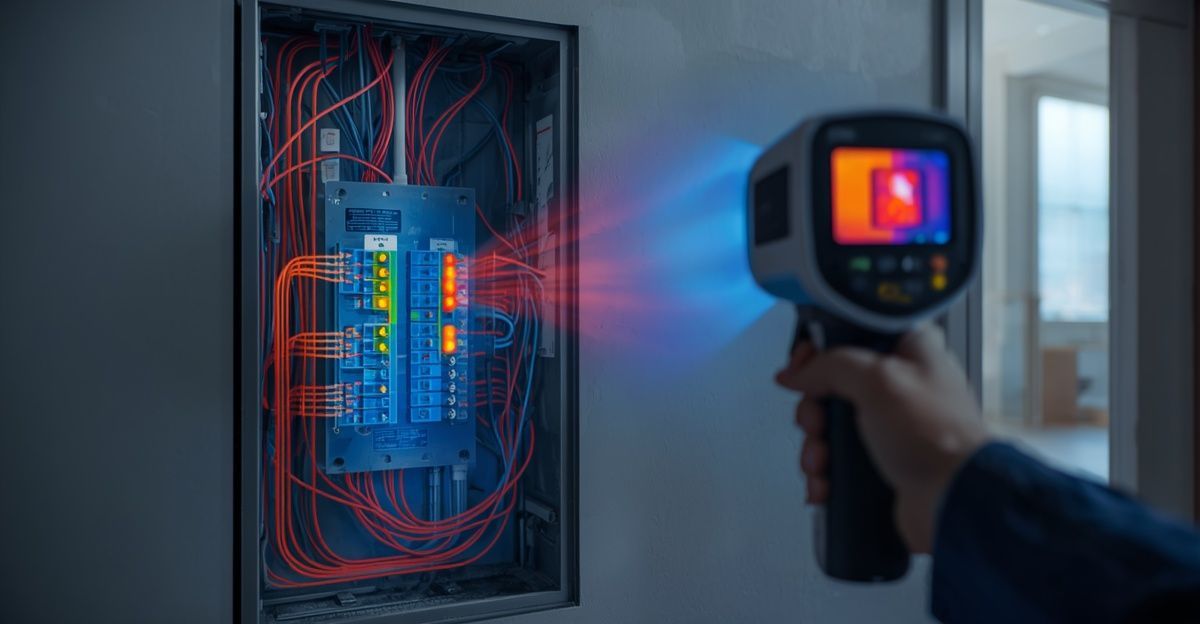
How Infrared Thermography Finds Hidden Electrical Issues
May 5, 2026
Learn how infrared thermography detects hidden electrical issues, prevents fires, reduces repair costs, and improves system safety in homes and buildings. Read more.
Electrical Planning for New Construction Homes
May 4, 2026
Learn what homeowners often overlook in new construction electrical planning, from panel capacity and outlet placement to smart home wiring and safety. Read more.